The European car market is on the brink of a radical transformation: familiar petrol and diesel vehicles will not disappear entirely after 2035, but their future will be threatened by unprecedented restrictions. The European Union’s decision to change course and not completely ban the sale of new internal combustion engine cars came as a surprise to many. However, this compromise comes with conditions that could upend the entire industry.
Buyers and manufacturers are facing new realities: now every car with an internal combustion engine must not only meet environmental standards but also a range of additional requirements, which could make such vehicles virtually inaccessible for most Europeans. The issue is not only about price—it involves technological, production, and even geopolitical barriers.
Strict boundaries
At first, the European Union planned to fully ban the sale of new cars with petrol and diesel engines by 2035. This decision sparked outrage among automakers and customers, as the shift to electric vehicles required not only technological breakthroughs but also massive investments in infrastructure. As a result, under pressure from the auto lobby and several EU countries, a compromise was found: an outright ban was replaced with quotas and strict limits.
According to the new regulations, by 2035 automakers must reduce CO2 emissions by 90% compared to 2021 levels. For passenger cars, this means only 10% of new vehicles will be allowed to have an internal combustion engine. Requirements for vans and commercial vehicles are slightly less strict, but the main point remains — petrol and diesel vehicles will become a rarity.
This limit will apply not only to traditional ICE cars but also to hybrids, including plug-in hybrids (PHEVs) and extended-range electric vehicles (EREV/REEV). However, even these cars will have to meet additional conditions related to the use of synthetic or biofuels, as well as mandatory compensation for emissions during production.
Focus on synthetic fuels
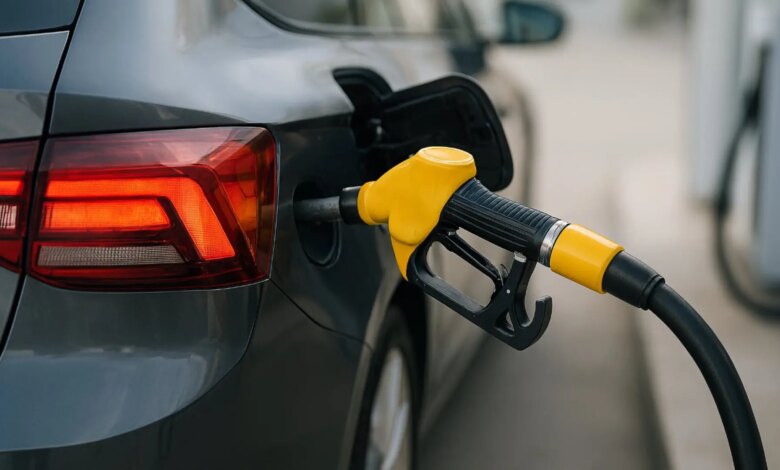
One of the key conditions for keeping petrol and diesel cars on the market will be the switch to synthetic fuels. The European Union is considering allowing new ICE vehicles to be sold only if they run exclusively on climate-neutral synthetic or biofuels. This requirement could become an insurmountable barrier for many manufacturers, since the technology for producing such fuels remains expensive and largely inaccessible.
In addition, automakers are required to implement measures at their factories to reduce their carbon footprint: using green hydrogen, environmentally friendly steel, and other innovative materials. Only if these conditions are met will combustion engine vehicles be permitted for sale in the EU after 2035.
As a result, even if gasoline and diesel cars remain formally available, their prices could soar to levels unattainable for the average consumer. The European market risks becoming a territory for elite models, while familiar budget vehicles may become a thing of the past.
Production under control
Another important innovation is the requirement that vehicles for the European market be manufactured exclusively in Europe. This measure targets the expansion of Chinese brands, which have captured a significant market share in recent years due to low prices and aggressive strategies. Now, European manufacturers are forced to bring production back from China and other countries to comply with new standards and retain government subsidies.
For Spain and other EU countries, this decision could provide an opportunity to revive local industries, but it will also lead to higher production costs and, consequently, car prices. The winners will be the companies that can quickly adapt to the new conditions and offer truly innovative solutions to the market.
At the same time, buyers will face a limited selection and the need to carefully consider every purchase. Electric and hybrid vehicles will form the backbone of the car fleet, while gasoline and diesel models will become a rare and costly exception.
Economy and Politics
The European Union’s decision was the result of complex negotiations between industry leaders, politicians, and environmental activists. On one hand, Brussels aims to fulfill climate commitments and reduce greenhouse gas emissions. On the other, it cannot ignore the interests of the automotive industry, which provides millions of jobs and a significant share of the EU countries’ GDP.
In recent years, European manufacturers have come under dual pressure: on one side, competition from China; on the other, tougher environmental regulations. The introduction of quotas and restrictions was an attempt to strike a balance between these interests but ultimately led to the creation of a complex and confusing system where only the largest and most technologically advanced companies benefit.
For Spain, where the automotive industry holds a key position in the economy, the new rules could pose both a challenge and an opportunity for growth. However, for most consumers, the prospect of buying a new gasoline or diesel car after 2035 is becoming increasingly remote.
Ursula von der Leyen has been President of the European Commission since 2019, playing a key role in shaping the EU’s new climate policy. Her decisions often spark controversy among both politicians and industry leaders. In recent years, von der Leyen has become a symbol of Brussels’ tough stance on environmental issues and technological transformation. Under her leadership, the EU has set a course for an accelerated transition to a green economy, resulting in sweeping reforms in the automotive sector and sparking heated debates across Europe.