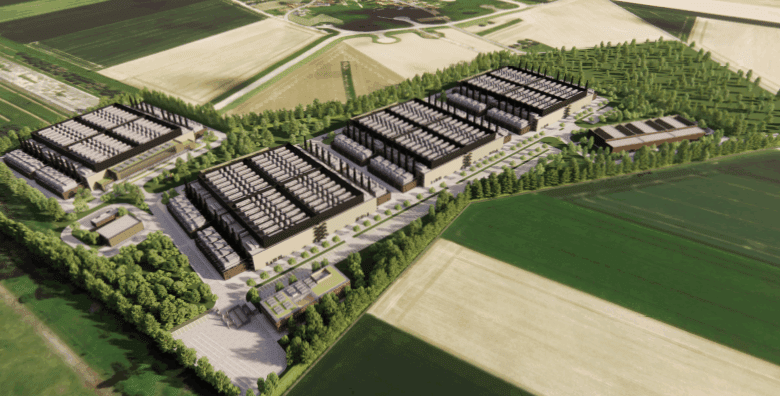
Europe’s Data Center Market: New Frontiers
In 2025, Europe is set to become the stage for large-scale investment in digital infrastructure. Soaring demand for cloud services, artificial intelligence, and big data processing is driving the construction of advanced data centers across the continent. Leading global corporations and investment funds are pouring billions of euros into developing new sites, forming technology clusters and creating thousands of jobs.
Major cities such as Frankfurt, Zaragoza, Lacchiarella, Strängnäs, and Kouvola are emerging as hubs for innovative projects. These locations are generating not only new jobs, but also fostering the growth of startups, science labs, and educational initiatives. Experts note that such projects are accelerating the digital transformation of the economy and driving sustainable regional development.
Major Projects: From Sweden to Portugal
One of the most ambitious projects is underway in Stockholm — the Brookfield AI Data Center. With an estimated cost of $10 billion and a capacity of 750 megawatts, construction is planned to span 10–15 years, after which over a thousand specialists are expected to work on site. The facility will be a key driver of artificial intelligence and cloud computing development in Northern Europe.
In the Portuguese city of Sines, the Start Campus Data Hub is under construction — the largest data center on the Iberian Peninsula. It will have a capacity of 1.2 gigawatts and total investment of €8.5 billion. The project targets international clients and is focused on sustainability, using renewable energy sources and advanced cooling systems.
Near Milan, Italy, the company Apto is developing the Lacchiarella Data-Center Campus. The plan is to build an infrastructure with 300 megawatts of capacity and a budget of $3.4 billion. This center will play a key role in advancing digital services in Southern Europe and will guarantee high-speed data transmission for major corporations and government agencies.
Spanish and Finnish initiatives: new growth points
In Spain, the Microsoft data center in Zaragoza stands out. The project will see an investment of €2.9 billion, with construction starting in 2026. This facility is expected to transform Aragón into one of the leading regions for cloud technologies and artificial intelligence. In addition to Microsoft, the Campus Data Navarra and Azora/Tillion Data Center projects are also underway in the region, further strengthening Spain’s position in the European digital services market.
In Finland, the city of Kouvola is hosting the construction of the Hyperco Data Center, part of TikTok’s global Project Clover. This facility is designed to serve major international platforms and will utilize cutting-edge solutions for energy efficiency and data security.
Economic Impact and Development Prospects
Large-scale investments in digital infrastructure are having a significant impact on the economies of European countries. New data centers not only create jobs but also drive the development of related sectors such as construction, energy, logistics, and education. In regions where such projects are implemented, there is an increase in the number of startups, improved professional qualifications, and an influx of foreign investment.
Experts emphasize that the development of data centers is becoming a key factor for Europe’s digital independence. Modern facilities ensure high data transfer speeds, reliable information storage, and compliance with international cybersecurity standards. This is especially important amid growing competition in the global IT services market.
Technology and sustainable development
Most new data centers in Europe are being built with a focus on environmental sustainability. The use of renewable energy sources, innovative cooling systems, and energy-efficient solutions helps reduce the carbon footprint and minimize environmental impact. Companies are implementing advanced monitoring and management technologies to ensure stable operation even under heavy workloads.
In the coming years, further growth in investment in digital infrastructure is expected. European countries are working to strengthen their positions in the global market by attracting leading players and creating favorable conditions for innovation. New data centers are becoming an essential part of digital transformation strategies, supporting sustainable economic development.
Did you know? Microsoft is a global leader in cloud technologies
Microsoft is one of the world’s largest technology companies, founded in 1975 by Bill Gates and Paul Allen. The corporation is a leader in software development, cloud services, and artificial intelligence. The Microsoft Azure platform is considered one of the most popular in the world for data storage, processing, and for implementing AI-based solutions.
The company is actively investing in the development of data centers worldwide, with special attention to security, energy efficiency, and sustainability. In recent years, Microsoft has launched major projects across Europe aimed at supporting the digital economy and creating new jobs. The corporation is also implementing innovative solutions to reduce energy consumption and increase the use of renewable energy sources.
Microsoft partners with leading universities, research centers, and startups, promoting the development of new technologies and training IT specialists. The company supports initiatives aimed at improving digital literacy and fostering future skills among young people. Through these efforts, Microsoft remains one of the key players in the global digital services market and continues to shape the industry’s future.