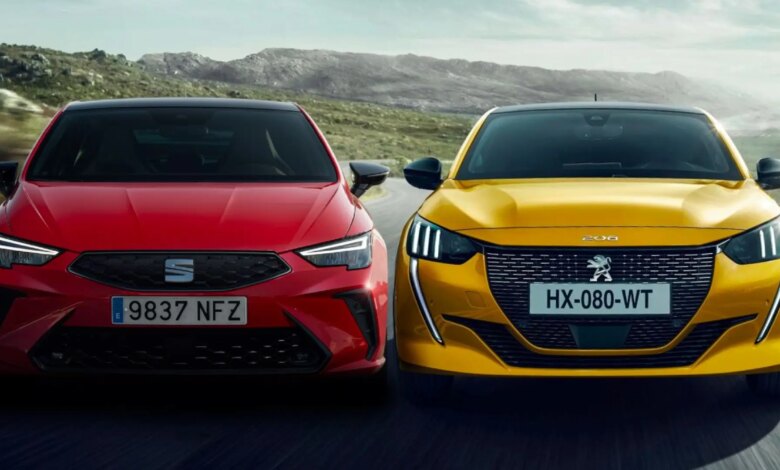
In 2026, the small car market in Spain saw a surprise: the familiar leader, Dacia Sandero, gave way to two models at once — Peugeot 208 and Seat Ibiza. These vehicles not only topped the sales rankings, but also set a new direction for the entire segment. Their popularity is explained not only by recognizable design or consumer habits, but by how well they meet real customer demands: economy, reliability, accessibility, and modern technology.
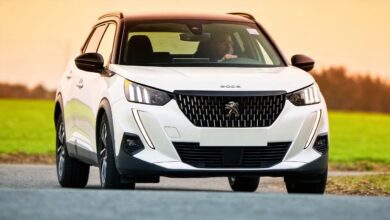
Peugeot 208 confidently holds first place, outpacing its competitor by hundreds of units sold. Seat Ibiza, despite lacking hybrid and electric versions, is not far behind. This suggests that Spaniards still value simplicity and tried-and-true choices, but are increasingly open to new technologies as long as they don’t drive up the price too much.
Appearance and dimensions
Both vehicles have been familiar sights for Spanish drivers for years, but manufacturers make sure to refresh their look. Peugeot and Seat preserve their distinctive features while adding new details to keep the cars from looking outdated. Externally, they may not stand out among competitors, but they don’t blend into the crowd either — their balanced design helps maintain long-term appeal.
The dimensions of the models are nearly identical: the Seat Ibiza is slightly longer and wider, while the Peugeot 208 is a bit lower. The difference in size is minimal, but the Spanish car wins on luggage space — 355 liters versus 208 for the French model. For family trips or getaways, this could be a deciding factor.
Engines and fuel consumption
This is where things get really interesting. In 2026, the Peugeot 208 offers a wide range of engines: from classic petrol to modern hybrids and fully electric options. This gives access to eco labels and helps save on fuel costs. The most basic version features a 100 hp petrol engine, while higher trims offer mild-hybrid systems and even three electric variants, including the powerful E-208 GTI.
Seat Ibiza, on the other hand, has remained loyal to traditional petrol engines. The base model comes with a 1.0 MPI engine producing 80 hp, which is sufficient for the city but may lack performance on the highway. More powerful options include a 1.0 TSI with 115 hp and a 1.5 TSI with 150 hp, offering a better balance between fuel consumption and power. However, the lack of hybrid or electric versions could discourage buyers looking towards the future.
Pricing and equipment
Price is always a key factor, especially in the affordable car segment. Seat Ibiza starts at €15,213, making it the most budget-friendly among competitors. The Peugeot 208 is noticeably more expensive, starting at a minimum of €18,270, with hybrid and electric versions raising the bar even further. For many buyers, the €3,000 price gap becomes decisive, especially when on a tight budget.
The standard trims for both models are quite solid. The Peugeot 208 in the Style version comes with LED headlights, a basic climate control system, an analog dashboard with a small screen, and a set of safety features. The Seat Ibiza in the Ibiza+ trim offers a digital instrument panel, a multimedia system supporting Android Auto and Apple CarPlay, along with an automatic city braking assistant. Overall, the equipment meets expectations, though each brand emphasizes different features.
Choices and Trade-offs
Buyers deciding between these models face the classic dilemma: save money or invest in more advanced technology. The Seat Ibiza stands out for its price, though its base engine might seem underpowered for dynamic driving. The Peugeot 208 offers more power even in the entry-level version—but this comes at a noticeably higher cost. The hybrid and electric variants from the French brand are appealing, but their price puts them out of reach for many.
The market shows there is demand for both straightforward and high-tech solutions. Spaniards aren’t rushing en masse to switch to electric cars, but they are increasingly willing to consider them as an option. In the end, everyone chooses according to their own priorities and budget, and the competition between the Peugeot 208 and Seat Ibiza only fuels interest in the segment.
Peugeot is a French brand with a rich history that has long held a strong position in the European market. The 208 model has become a symbol of a new approach to urban cars: compact size, efficiency, and modern technology. Seat Ibiza is a source of pride for the Spanish automotive industry, known for its reliability and affordability. Over the years, the Ibiza has become one of the most recognizable models in the country, and its popularity is due to its combination of price, simplicity, and practicality. Both cars represent different approaches to the development of this segment, and it is their rivalry that is shaping new trends in the compact car market.