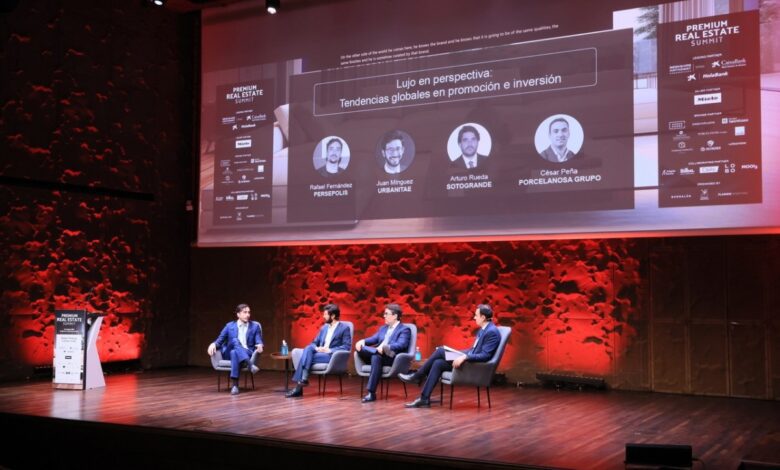
The transformation of luxury housing: new standards
In 2025, Spain’s premium real estate sector is undergoing significant changes. Technological solutions, environmental responsibility, and the aspiration for authenticity are coming to the forefront. Representatives from leading companies working on projects in Sotogrande, the Urbanitae platform, and the Persépolis investment fund note that buyers’ demands are becoming more complex and their expectations higher. Clients now seek not only status, but also comfort, security, and an emotional connection.
Innovation and industrialization: accelerating progress
The adoption of industrial construction methods is emerging as a key trend. This significantly shortens project timelines, improves quality, and reduces environmental impact. For example, Sotogrande plans to launch dozens of modern villas using new technologies. This approach not only speeds up project delivery, but also minimizes inconvenience for local residents. At the same time, personalization remains a priority: even with industrial solutions, clients can make changes to designs, which is especially important for properties costing over four million euros.
Buyer profile: globalization and new values
Spain continues to attract affluent clients from the US, Canada, and Middle Eastern countries. For these buyers, it’s not just about the climate and cuisine, but also the vibrant urban lifestyle Spain offers—a key point of difference from other markets. There’s growing interest in branded residences, where a renowned brand guarantees quality and exclusivity, and where design and service are prioritized. Interior design trends favor natural materials and muted colors, though there is still strong demand for bold statements.
Financing & Risks: Investors’ Perspective
For investors, a clear exit strategy and the right balance between returns and risk are crucial. Shorter construction timelines make these investments more attractive, while sustainable projects have a clear advantage in securing bank financing. However, experts note that market stability largely depends on external factors, including macroeconomic and geopolitical events. Any restrictions on foreign buyers could negatively affect sector growth.
Challenges: Infrastructure and Mass Tourism
Experts identify overdevelopment of tourist areas and insufficient investment in infrastructure as main threats to the growth of the luxury property sector. The reliability of utilities and convenient transportation are becoming essential for maintaining a high standard of service. Additionally, excessive dependence on foreign demand leaves the market vulnerable to external shocks.
Emotions and technology: the new meaning of luxury
Today’s buyers appreciate not only material benefits, but also the atmosphere, a sense of belonging to a community, and a focus on health and the environment. More projects are using local materials and creating spaces for socializing. At the same time, digitalization and artificial intelligence are becoming integral to the premium segment, yet a personalized approach and attention to detail remain key.
Spain’s luxury real estate market is entering a phase where technology, individuality, and human care are combined. This helps the country remain one of the most attractive destinations for premium living and investment.