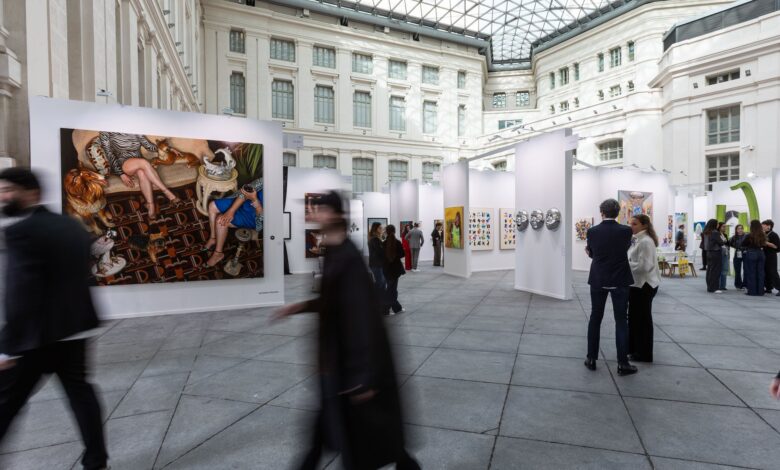
In recent years, interest in contemporary art has grown significantly in Spain, with collectors emerging as key players in supporting young artists. Art fairs in Madrid such as Arco, JustMad, and Art Madrid not only shape the cultural agenda but also have a direct impact on the creative sector’s economy. For many Spaniards, these events are not just exhibitions but an opportunity to see how art becomes a part of everyday life and business.
Every year, dozens of events take place in Spain’s capital, bringing together gallerists, artists, and collectors. According to El Pais, these are the days when those who define the future of the art market gather at Ifema pavilions. Here, they discuss not only creativity but also real deals that enable artists to keep working and collectors to build unique collections. Importantly, participation in such events is becoming more accessible, and buying artworks is no longer the exclusive domain of the elite.
Who buys art
The profile of the modern collector in Spain is changing. Among buyers, women and younger generations with a focus on digital culture and quick decision-making are increasingly common. According to experts, the average budget for acquiring a work ranges from 3,000 to 5,000 euros, though some start with smaller amounts. The main criteria remain a passion for art, the desire to support artists, and the hope that the work will appreciate in value in the future.
Fair organizers pay special attention to newcomers. Special programs have been created for them, such as First Collector at Arco and One Shot Collectors at Art Madrid, where experienced advisers help guide their first steps into the world of collecting. This approach resembles the work of a good bookseller: the advice is based on knowledge of the client’s tastes and interests, which builds trust and makes choosing easier.
The market and new trends
Although precise sales figures are rarely made public, experts note persistent demand for paintings—which account for up to 75% of all transactions. At the same time, interest is growing in works by young artists just starting out. For many collectors, it’s not only about investment, but also the opportunity to be part of an artist’s success story. This approach creates a new type of relationship between buyer and artist, where not just the name but also growth potential is valued.
Exhibitions in Madrid showcase works from private collections that are usually inaccessible to the public. This is not only a chance to discover rare works but also an opportunity to understand how the country’s cultural heritage is shaped. Every new buyer contributes to the development of art by supporting artists and fostering conditions for new talents to emerge.
Practice and impact
For Spain’s art market, it’s not just about supporting established masters but also discovering new talent. Art fairs serve as experimental grounds where emerging artists get the chance to make their mark and collectors can find unique works. This approach nurtures critical thinking and helps shape new tastes, influencing the country’s entire cultural landscape.
In recent years, Spain has seen a rise in private collections, which impacts the accessibility of art for the wider public. Thanks to new programs and initiatives, the purchasing process has become easier and more transparent, making the market more open to everyone. This fosters sustainable growth in the sector and creates fresh opportunities for both artists and buyers.
In recent years, art fairs in Spain have been gaining popularity among a broad audience. In 2025, both Arco and Art Madrid recorded unprecedented visitor numbers, while interest in the works of young artists continues to grow. New support formats for collectors are emerging, making the market more dynamic and diverse. Other cities also host exhibitions showcasing contemporary artists and the latest trends in art. This environment fosters cultural development and strengthens Spain’s position on the international art scene.