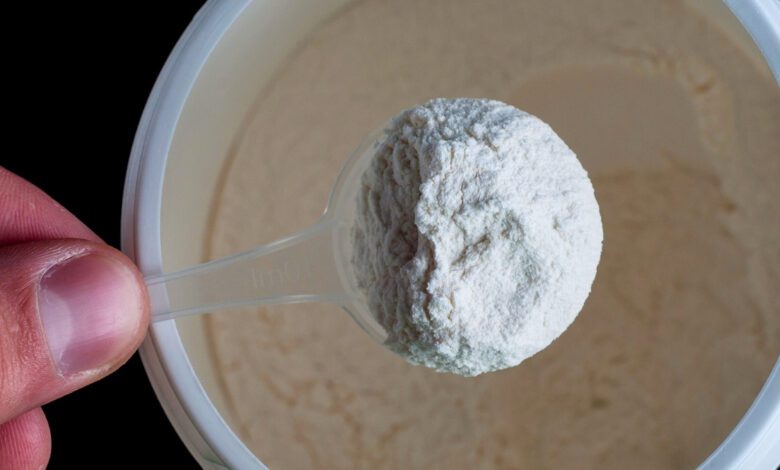
American researchers have discovered that reducing the amount of one essential amino acid in the diet of mice can significantly slow down the aging process and increase lifespan. The amino acid in question is isoleucine—a vital building block of proteins that the body cannot synthesize on its own and must obtain exclusively from food. The main sources of this amino acid are meat, eggs, dairy products, and soy.
During the experiment, the scientists divided the mice into several groups: one received a standard diet with 20 amino acids, another got food with reduced levels of all amino acids, and a third was fed a diet where only isoleucine was reduced by about two-thirds. All animals could eat as much as they wanted, but only the food provided to them.
Health impact
The results were impressive: in males given less isoleucine, lifespan increased by 33%, while in females it rose by 7%. In addition, the mice showed improvements in 26 different health metrics, including muscle strength, endurance, blood sugar levels, coat condition, and even tail mobility.
The reduced risk of age-related diseases was particularly notable: males developed tumors less frequently and showed less prostate enlargement, a common issue in aging individuals. Despite the reduction in one amino acid, the mice not only maintained their activity levels but also stayed leaner and more energetic.
The calorie paradox
Interestingly, animals on a reduced isoleucine diet consumed more calories than those in other groups. However, instead of gaining weight, they burned more energy and maintained low fat levels. Scientists attribute this to metabolic changes that occur when certain amino acids are restricted.
Experts emphasize that not all calories are equal, and the composition of the diet plays a key role in health and longevity. Even minor dietary changes can significantly impact biological processes related to aging.
Implications for people
Although the experiment was conducted on mice, experts do not rule out that a similar approach could be beneficial for humans. However, they warn that restricting protein or specific amino acids without medical supervision may have negative health consequences.
Nutrition is a complex system, and simply reducing protein intake may not achieve the desired effect. In the future, drugs may be developed that selectively block the absorption of isoleucine, allowing its levels to be safely regulated in the body.
Research prospects
Scientists note that the optimal isoleucine level may vary by gender and genetic background. Therefore, there are no universal recommendations yet. Nonetheless, this discovery opens up new horizons for studying the mechanisms of aging and finding ways to extend healthy lifespan.
In the coming years, additional studies are planned, including those involving humans, to determine how applicable the results obtained in mice are to people. For now, experts recommend maintaining a balanced diet and caution against following high-protein diets without medical necessity.
In case you didn’t know, Professor Dudley Lamming from the University of Wisconsin is regarded as one of the leading experts in metabolism and aging. His team has been studying the impact of amino acids on health and lifespan for several years. Previously, under his leadership, research was conducted that revealed a link between isoleucine levels in the diet and the risk of obesity in humans. Lamming actively collaborates with international research centers and regularly publishes his findings in leading medical journals.