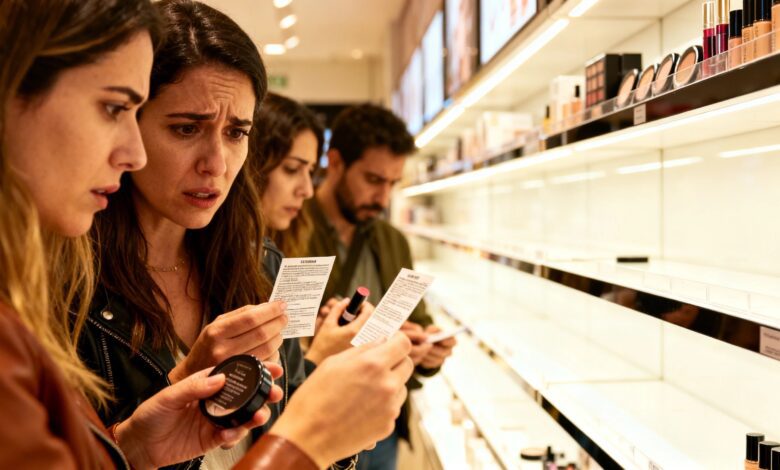
In Spain, familiar makeup products are rapidly changing their formulas: the European Union has imposed restrictions on the use of cyclopentasiloxane—a substance that for years was essential for achieving a smooth, matte finish. Now, manufacturers are urgently revising their recipes to comply with new environmental standards. For consumers, this means the disappearance of familiar textures and the introduction of new formulas that promise the same results, but without the controversial ingredient.
The EU decision is not linked to health risks—experts believe cyclopentasiloxane does not cause irritation and is safe for skin. The main reason for the ban is its negative impact on the environment. The substance accumulates in nature and is almost non-degradable, prompting tighter regulations. According to Divinity, since 2020 the restrictions only applied to rinse-off products, but now the ban extends to those that remain on the skin—such as foundations, primers, and concealers.
What will change for consumers
Consumers are already noticing that their favorite brands are updating their lines. For example, well-known products like Double Wear Stay-in-Place Foundation by Estée Lauder and Luminous Silk Foundation by Armani Beauty have already been reformulated. Now, their ingredients include alternatives designed to provide the same matte, long-lasting effect. However, not all brands have adapted yet: some concealers and foundations from Tarte Cosmetics, Hourglass, and Huda Beauty are still preparing for changes.
Experts assure that there’s no need to panic. The modern cosmetics industry offers a wide range of alternatives. To achieve a matte finish, manufacturers now use combinations of absorbents (such as silica, kaolin, talc), polymers to create a pore-blurring effect (PMMA, nylon-12), and lightweight emollients that provide smooth application without greasiness. This approach delivers the familiar results while making them more environmentally friendly.
Why this matters for the market
For cosmetics manufacturers, the new regulations have become a significant challenge. Cyclopentasiloxane was a universal solution: it gave products a silky texture, made application easier, and ensured longevity. Its replacement requires not only searching for new components, but also a complete overhaul of technological processes. This could cause temporary supply disruptions and shifts in market pricing policies.
The move towards more sustainable formulas reflects the global trend for eco-friendliness and responsible consumption. Spanish consumers are increasingly paying attention to the composition and origin of cosmetics, and brands must respond to these expectations. In the coming months, new products labeled ‘without cyclopentasiloxane’ are likely to appear, along with active advertising campaigns emphasizing safety and environmental care.
Alternatives and the future of makeup
Professional makeup artists note that modern substitutes are not only able to replicate, but even improve on the properties of familiar products. New formulas are lighter, absorb faster, and are less likely to clog pores. For people with sensitive skin, this can be an added benefit. However, as experts point out, some users may need time to get used to the new texture and method of application.
Overall, the ban on cyclopentasiloxane demonstrates how quickly the beauty industry adapts to contemporary challenges. Spain’s cosmetics market remains one of the most dynamic in Europe, and the shift toward eco-friendly standards opens up new avenues for innovation and growth.
Cyclopentasiloxane is a volatile silicone fluid widely used in decorative cosmetics and skincare. Its properties ensured easy product application, a matte finish, and long-lasting makeup. In recent years, the substance came under regulatory scrutiny due to its persistence in the environment. Despite its ban in the EU, it is still allowed in other countries, creating added complications for international brands.