In recent years, more and more people in Spain have been turning to strength training as they recognize its impact on quality of life. While cardio once took center stage, experts now agree: working out with your own body weight and dumbbells can transform not just your appearance, but your overall well-being. Forget the stereotype that strength exercises are only for the young or professional athletes. You can start at any age, and the results won’t keep you waiting.
Strength training doesn’t require complex equipment or a gym membership. Just a few minutes three times a week is enough to notice the difference. Regular training strengthens your muscles, makes your movements more confident, and helps prevent everyday injuries. These exercises also boost collagen production, which improves bone density and reduces the risk of fractures — especially important for those over 40.
Health Benefits
Strength exercises not only sculpt a toned physique but also speed up your metabolism. This means your body burns calories more efficiently, even at rest. This approach helps shed excess fat and maintain a healthy weight—without grueling diets. Most importantly, strength training has a positive impact on your mental and emotional state. Exercise releases endorphins that lower stress, lift your mood, and promote better, deeper sleep.
Many people note that after a few weeks of training, they feel more energetic and confident. Strength training helps reduce anxiety and boosts self-esteem. This is especially important in today’s fast-paced world, where stressful situations are everywhere.
Exercises for Home
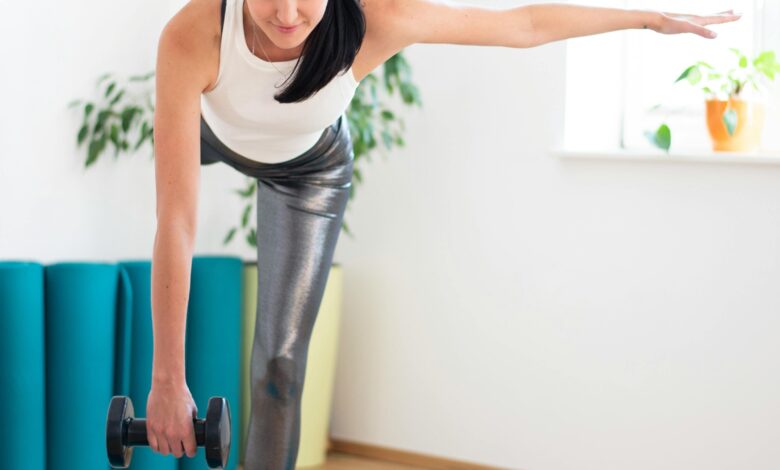
You don’t need expensive equipment for an effective workout. Here are some basic exercises you can do at home:
1. Squats. Works the muscles of the legs, glutes, and core. Stand upright with your feet shoulder-width apart and your back straight. Lower yourself down, engaging your core and pressing through your heels. Do 3 sets of 15 reps.
2. Squats with Overhead Press. Combine leg and shoulder work. Take dumbbells, do a squat, then lift the dumbbells overhead. Repeat 15 times or for 45 seconds.
3. Push-ups. Strengthen your chest, triceps, and abs. Place your palms under your shoulders and keep your body straight. Bend your elbows to lower your body toward the floor. If it’s difficult, do the push-ups from your knees. Perform 15 reps.
4. Dumbbell Curls. Stand upright with your feet shoulder-width apart and arms at your sides holding dumbbells. Curl the weights without moving your elbows away from your body. Complete 3 sets of 15 reps.
5. Plank. A versatile exercise for abs, glutes, and arms. Keep your elbows under your shoulders and your body in a straight line. Hold for 30 seconds, gradually increasing to a minute.
Tips for Beginners
Don’t chase quick results or try to repeat complex routines you find online. The key is consistency and correct technique. It’s better to do fewer repetitions well than many with mistakes. If you feel discomfort or pain, reduce the intensity or take a break.
To boost your motivation, consider keeping a workout journal to track your progress. Always remember to warm up before exercising and stretch afterward—this prevents injuries and speeds up recovery.
Impact on Daily Life
Strength training makes your body not only look better but also work better. Everyday activities—lifting a bag, climbing stairs, playing with children—become easier and more enjoyable. As we age, muscles lose tone, but regular exercise helps maintain independence and mobility for years to come.
In Spain, more and more older adults are choosing strength training as a way to stay youthful and avoid health problems. This approach is becoming the new normal, not the exception.
RUSSPAIN reminds readers that strength training is suitable for people of any age and fitness level. Beginners can start with simple bodyweight exercises or light dumbbells. Regular workouts improve overall well-being, strengthen bones and muscles, and help prevent chronic diseases. Even minimal physical activity can make a positive difference in your life. Remember to listen to your body and avoid overexertion at the beginning, so your workouts remain both beneficial and enjoyable.