Many believe that for those over sixty, the peak of physical activity is a leisurely walk in the park. While this is certainly a healthy habit, it is often not enough. But what if there are techniques, supported by leading global research, that offer a much more comprehensive approach to well-being in later years—helping preserve not only mobility, but also mental clarity and inner harmony?
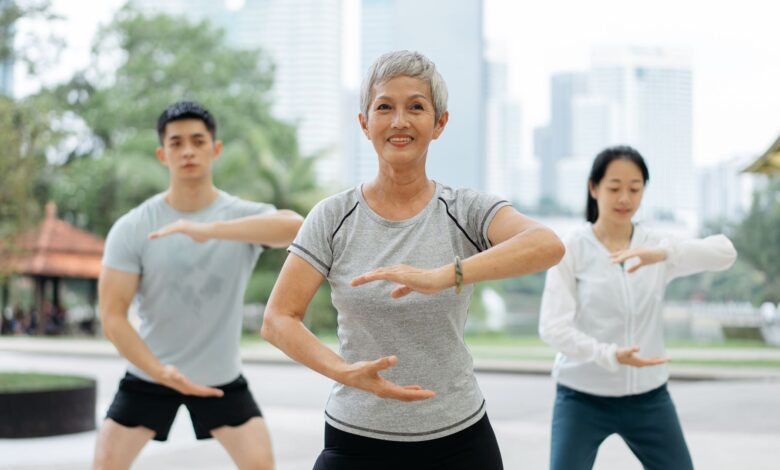
We’re talking about traditional Eastern disciplines such as tai chi or aikido. Their philosophy focuses on fluidity, mindfulness, and a deep respect for one’s own body. Unlike running or even brisk walking—which over time can lead to joint wear—these practices offer a holistic workout. They strengthen core muscles, refine balance and coordination, and stimulate concentration—all without any risk to the musculoskeletal system. But their benefits go beyond the physical; they involve breathwork, cultivating an inner state, and fostering emotional balance.
Perhaps one of the most important benefits is fall prevention. The statistics are stark: one in three people over the age of 65 falls at least once a year, and for those over 80, this figure reaches 50%. Falls are not just about bruises; they pose a serious threat to independence and even life. This is where soft martial arts truly demonstrate their exceptional effectiveness. Tai Chi, for example, is recognized as one of the best exercises for improving stability and the ability to quickly react to a loss of balance. The smooth movements of Aikido, in turn, train the body to fall correctly and cushion the impact, adding yet another level of protection.
Of course, it’s important to start wisely. The first rule is to find a safe environment: classes specially designed for older adults, led by an experienced instructor. It is essential to progress gradually, step by step increasing the duration and complexity of training, giving the body time to adapt. However, strength training should not be overlooked. Leading global health organizations recommend complementing such practices with at least two strength workouts a week, targeting major muscle groups. A comprehensive approach—combining aerobic exercise, strength work, and balance training—is key to protecting the joints, preventing age-related muscle loss, and maintaining independence at home.
It’s time to move past the outdated notion of ‘exercise for the elderly’ as something primitive and ineffective. Modern science shows that such an approach can do more harm than good. Physical activity programs should be multi-component, progressive, and functional. In addition to tai chi and aikido, practices like qigong, yoga, Pilates, or aqua aerobics can be excellent complements. Adapting workouts to age-related physical changes not only minimizes risk but also maximizes benefits, helping to maintain independence and a high quality of life for years to come. After all, movement is the best preventive medicine.