A quiet Sunday evening in the small town of Adamuz turned into a nightmare that has gripped Spain for several days. The usually calm railway tracks were suddenly rocked by a crash: two trains, Iryo and Alvia, collided head-on. Within minutes, the scene descended into chaos as the death toll began to rise at an alarming rate. By Thursday morning, authorities confirmed 45 fatalities—and that’s only those whose bodies had been found and identified. Families and loved ones still struggle to comprehend what happened, while municipalities have declared official mourning.
Faces of the tragedy
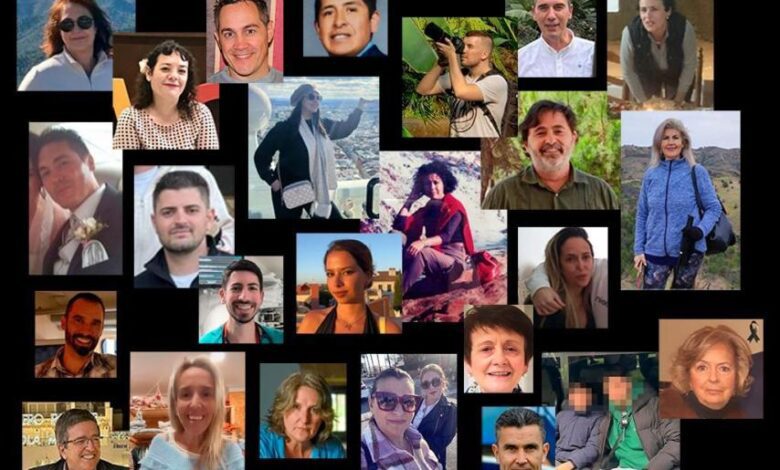
Among the victims were people from all walks of life. Young train operator Pablo B., who had just turned 27, was only beginning his career and dreamed of the future. Journalists Óscar Toro and María Clauss from Huelva were known for their activism and work on cultural projects. The Zamorano Álvarez family from Punta Umbría lost several members at once—this tragedy spared neither adults nor children.
The victims’ list includes police officer Samuel Ramos Sánchez, who had recently become a father, and Rafael Millán Albert, a prison officer whose wife miraculously survived but suffered severe injuries. Young Miriam del Rosario Alberico was identified based on her boyfriend’s description. Among those lost were teachers, doctors, and even a DJ—each one leaving a lasting wound in the hearts of those they loved.
Unknown and unsolved
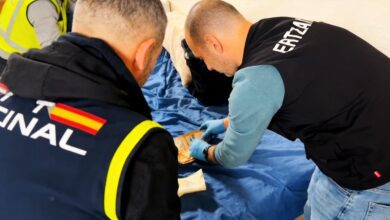
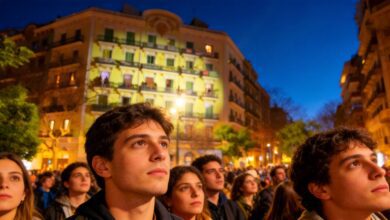
Particularly alarming is the fact that eight bodies have yet to be identified. Emergency services are working around the clock, using DNA analysis to provide answers for families who wait anxiously for any news. Outside the station and the morgue, crowds gather—tears, cries, anguish. Authorities promise to speed up the process, but for many, time feels as if it has stood still.
While officials remain cautious in their comments about the causes of the disaster, public distrust is growing. Why were two trains on the same track? How could such a mistake happen? The questions keep multiplying, but answers are in short supply. On social media, people speculate—everything from technical malfunctions to human error. As the investigation continues, families are forced to say goodbye to loved ones who will not return home.
Cities in mourning
A wave of grief has swept across the country, but the pain is especially severe in Andalucía, Madrid, and Huelva. Days of mourning have been declared in the municipalities, public events have been canceled, and flags lowered on buildings. Schools and public institutions honor the victims with a minute of silence. In some cities, such as Punta Umbría and Leganés, the tragedy has affected several families at once, leaving the streets filled with sorrow and unanswered questions.
Among the deceased are people of various nationalities: citizens of Spain, Bolivia, and Cuba. Their stories are more than just statistics; they are lives cut short in an instant. The list of victims includes those who had just returned from a business trip, those on their way to an important meeting, and those simply hurrying home. For many, this day became their last.
Aftermath and uncertainty
As investigators continue their work and families bury their loved ones, public debate over the causes of the tragedy persists. Officials promise a thorough investigation, but trust in them has been shaken. People are demanding transparency and justice, because at stake are not only the memories of those lost, but also the safety of millions of passengers nationwide.
Journalists still stand on watch near Adamus station, and local residents are struggling to recover from the ordeal. Anxiety lingers in the air: could this happen again? For now, Spain mourns, and families wait for answers that may never come.