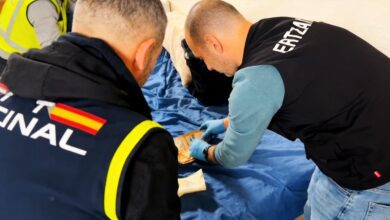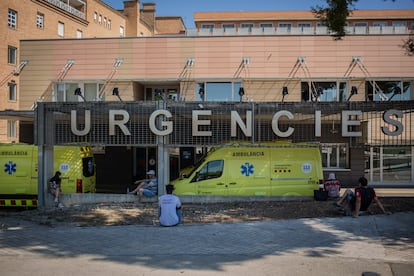
On Monday, a seasonal worker died in Lleida (Catalonia) while carrying out his duties during a period of extreme heat. The man lost consciousness on the L-800 road near Vallmanya (Vallmanya, Alcarràs) and died before emergency services arrived. Catalan police have launched an investigation into the circumstances of the tragedy to determine whether the cause of death was heatstroke sustained while working.
That day, Catalonia recorded the highest temperatures of the year: in some areas, such as Ribera d’Ebre, thermometers soared to 43.8 degrees. In Lleida itself, the heat exceeded 40 degrees for several consecutive hours, including the period when the deceased was at work.
Currently, the pear harvest in Lleida is at its peak, with around 40,000 seasonal workers employed in the region. Working outdoors in increasingly intense heat is becoming more hazardous, and agribusiness representatives note that they have to adapt their usual routines to minimize health risks. Many fruit picking companies receive daily recommendations from occupational safety experts, who advise restricting or completely halting work during the hottest hours.
On the day of the tragedy, agricultural businesses were advised not to go out into the fields from 1:00 p.m. to 9:00 p.m. Trade unions are calling on authorities to tighten control over labor conditions during periods of extreme heat and, if necessary, suspend outdoor work to protect workers.
According to the State Meteorological Agency, the heatwave may last until August 18. Despite a brief expected drop in temperatures, forecasters predict another surge of heat as early as Thursday. The Ministry of Health reminds that when air temperatures exceed 37 degrees, even healthy individuals experience physical stress, and prolonged exposure to high heat may lead to cramps, dehydration, and heatstroke.
Spain has a National Heat Prevention Plan, which is activated every year from May 16 to September 30. If it is confirmed that heatstroke was the cause of the worker’s death, this would be the second such case in Catalonia this summer. At the end of June, a municipal cleaning worker in Barcelona died while on duty during an extreme heatwave. Following this incident, city authorities reviewed protocols to better protect workers in high temperature conditions.
The incident in Lleida once again raises the issue of adapting work processes to new climate realities and strengthening safety measures for those working outdoors.