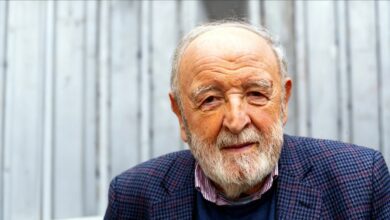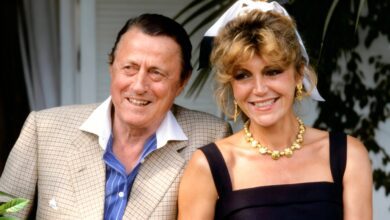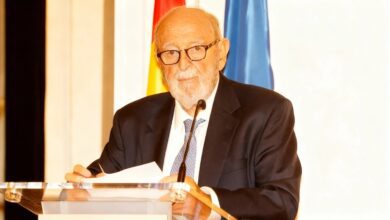
The passing of Diego Carcedo at the age of 86 became a notable event for the Spanish media community, but equally important is the legacy he left within his family. His wife, a veteran journalist, and his grandchildren, with whom he spent his final years, drew public attention after his death. As reported by Divinity, Carcedo was not only a professional but also a man for whom family ties held special significance.
Carcedo’s career spanned decades at RTVE, where he held leadership roles and witnessed key events of modern history. His experience included work in radio, television, print media, as well as publishing books on history and politics. However, outside his professional life, he was closely connected to his family, a topic rarely discussed in public.
Family traditions
Carcedo’s wife, a journalist and television presenter, is known for the program ‘Corazón, corazón’ on TVE. Her career began in news reporting before shifting toward social and cultural formats. After leaving RTVE in 2008, she returned to the Canary Islands, where she hosted the regional project ‘Sin secretos.’ In recent years, she stepped back from professional activities to focus on her family and grandchildren.
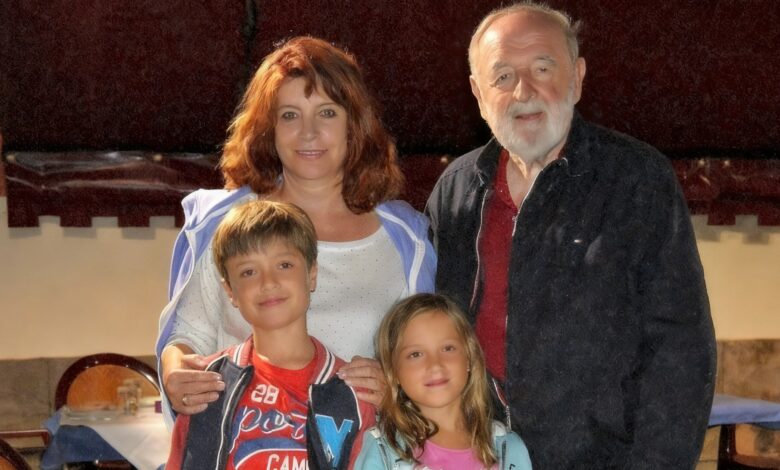
The couple’s family life was always distinguished by its restraint and lack of publicity. Carcedo’s wife has a daughter from a previous relationship, and their grandchildren, Lara and Dario, have become an important part of their daily life. After concluding her career, the television presenter devoted more time to her loved ones, which helped strengthen family bonds.
Connection to Asturias
The family traditionally spent the summer months in Asturias, Carcedo’s birthplace. These trips became an integral part of their lives, helping them preserve ties to their roots and maintain family traditions. The grandchildren often accompanied their grandmother and grandfather, joining them on outings and walks around the area. Such moments became especially meaningful in recent years, as professional commitments gave way to personal interaction.
Family gatherings in Asturias were marked by a special atmosphere: walks through small towns, visits to traditional places, and shared meals. According to Divinity, it was during these times that relationships between generations were strengthened and family values were passed down to younger members.
Continuity and personal connections
Despite the spouses’ fame, their family life remained out of the public eye. The grandchildren, Lara and Dario, became a source of joy and inspiration for new traditions for Carcedo and his wife. After their professional careers ended, the couple spent even more time together, giving them the opportunity to see their family relationships in a new light.
In Spanish society, the issue of continuity and family values often sparks public debate, especially when it concerns public figures. Analysis by russpain.com shows that such stories resonate with a wide audience, much like the cases of European royals whose lives and personal decisions have shaped public perceptions of family and authority. For more examples, see the article on changes in the lives of European queens.
The death of Diego Carcedo prompted many to reconsider the role of family in the lives of prominent figures. His legacy lies not only in his professional achievements, but also in the traditions he maintained and passed down to his loved ones.
Diego Carcedo was one of the most prominent figures in Spanish journalism in the late twentieth and early twenty-first centuries. His career spanned work in major state media as well as the publication of books on current issues. In his personal life, Carcedo was known for his restraint and commitment to family values, which allowed him to maintain strong family ties even after his professional career ended. His wife, also a renowned journalist, made a significant contribution to the development of television, and their marriage became an example of balancing career and personal life.