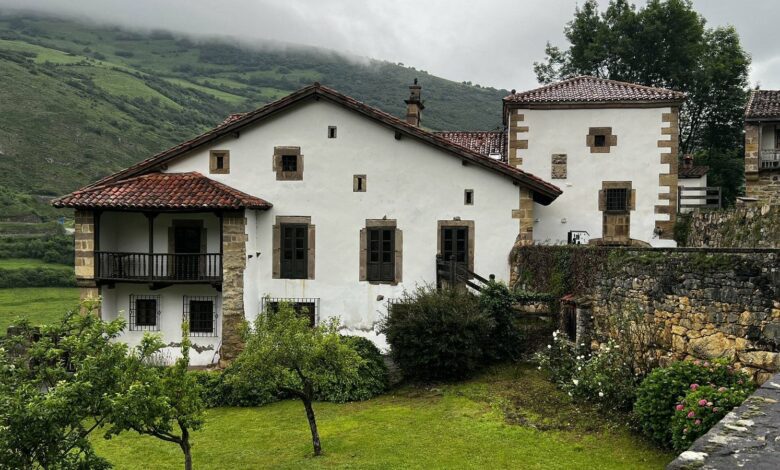
In the heart of Cantabria, far from popular tourist routes, lies the small village of Tudanca. This picturesque spot in the Nansa Valley, surrounded by misty mountains, is home to a cultural treasure of national significance that few know about.
Behind the modest façade of the old manor known as the Casona de Tudanca is one of Spain’s most valuable literary collections. Its holdings number between 18,000 and 25,000 works and documents connected to some of the greatest authors of the 20th century, including Federico García Lorca, Miguel de Unamuno, Rafael Alberti, and Gerardo Diego. Thanks to this legacy, Tudanca, with a population of just around one hundred, has earned an important place on the country’s cultural map.
The creator of this unique collection was José María de Cossío — a renowned literary critic and member of the Royal Spanish Academy. In the early 20th century, he acquired the manor, built in 1752, and transformed it into his summer residence and literary archive. Before long, the estate became a gathering place for the intellectual elite of the era. Its walls remember the visits of Unamuno and Alberti, who left behind manuscripts, letters, and first editions signed by the authors themselves.
In 1975, Cossío donated the house along with all its contents to the state, on the condition that it would be preserved as a cultural center. After his death in 1977, preparations began for the museum’s opening. Since 1982, Casona de Tudanca has operated as a museum-library, and in 2000, following restoration, it was officially reopened. Today, the complex is managed by the Department of Culture of the Cantabria government and is included in the region’s official museum network.
Visitors can tour the library, chapel, and archive rooms as part of guided excursions lasting about 50 minutes. Visits are organized for small groups, so advance booking is recommended. The building holds the status of Monumento Histórico-Artístico (Historic-Artistic Monument), underscoring its significance.
The cultural value of Tudanca goes beyond its literary heritage. In 1983, the entire village was declared a Bien de Interés Cultural (Site of Cultural Interest) in the category of Conjunto Histórico (Historic Complex) for its exceptional preservation of traditional architecture. Stone houses with sloping roofs and wooden balcony-galleries, arranged in terraces along the hillside, create a unique atmosphere.
Beyond its architecture, Tudanca invites visitors to discover local traditions. Historic churches such as the Church of San Pedro or San Tirso, along with ethnographic elements, help define the village’s character. Livestock farming—especially breeding Tudanca cattle (raza tudanca), whose meat is protected by geographical origin—remains an important part of local identity. No visit would be complete without trying the regional cuisine, based on natural products, pasture-raised meat, and homemade desserts such as quesada or frisuelos.