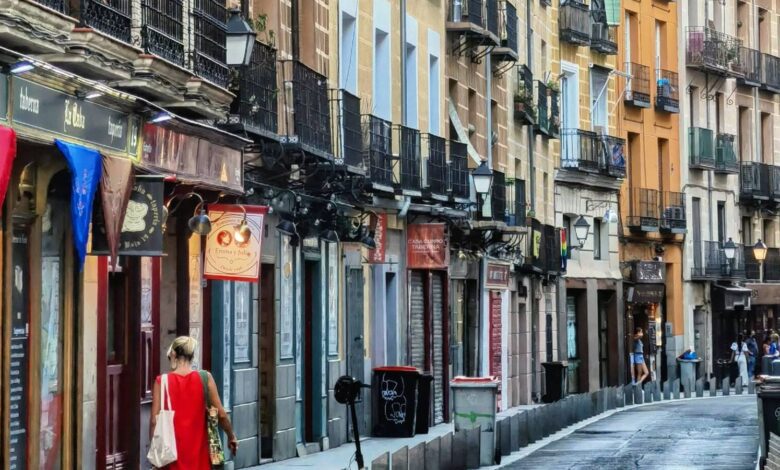
In the historic center of Madrid, where every stone remembers days gone by, there is a place that can surprise even the city’s most seasoned experts. One street in the La Latina district has not only preserved the contours of a medieval moat but has also become a symbol of the changes the city has undergone over the centuries. Today, life here thrives: tourists and locals rush to snag a table in centuries-old taverns, and beneath their feet are traces of the defensive structures that once protected the city from invaders.
At first glance, it seems like an ordinary street lined with bustling terraces and endless rows of tapas bars. But take a closer look — and you’ll see that beneath the buzz of modern life lies a layer of history you won’t find in guidebooks. The street’s uneven path traces the line of an ancient moat dug along Madrid’s Christian wall. Here, the border once lay between the city’s safety and the unknown world beyond.
The mystery of the name
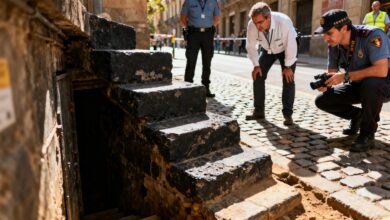
The word “cava” in the street’s name has nothing to do with sparkling wine. It’s a reminder of the deep trench that once protected medieval Madrid’s fortress. Between houses numbered 10 and 20, you can still make out the outline of that very defensive line that once shaped the city’s fate. Time has worn away the moat’s visible traces, but its memory lives on in place names and architecture.
Nearby stood one of the secondary gates in the city wall — the famous Puerta de Moros. Traders, arrieros, and travelers entered the city through it, and the first inns and taverns began to appear along the street. Some of them, such as Mesón del Segoviano and Posada del Dragón, became true legends and still welcome guests today, preserving the atmosphere of bygone eras.
Hospitality through the ages
Over time, the street became a magnet for those seeking not just a place to stay, but also company, new acquaintances, and delicious food. A unique atmosphere always reigned here: lively feasts, conversations lasting till dawn, aromas of roasted meat and fresh bread. Even today, when caravans have been replaced by tour groups and arrieros by office workers, the spirit of hospitality remains unchanged.
Many modern establishments are located where historic taverns once stood, preserving their original character and traditions. In some buildings, fragments of medieval walls can still be seen, used as foundations or interior partitions. This turns the street into a true open-air museum, where every corner holds its own piece of history.
A gastronomic magnet
Today, this street is more than just a part of old Madrid—it’s one of the city’s top gastronomic routes. Here, iconic venues like Casa Lucio, famous across Spain for its huevos rotos, sit alongside new restaurants that skillfully blend modern trends into traditional cuisine. The aromas of sizzling tapas, fresh vegetables, and aged wines fill the air, creating a unique festive atmosphere.
People come here not only for the food, but also to feel connected to history. Every evening, the street fills with voices, laughter, and the clinking of glasses—it feels as if time has stopped here. Yet, change has also reached this corner: new generations of restaurateurs introduce fresh ideas, while carefully preserving the unique spirit of the place.
Layers of history
The street’s architecture clearly reveals traces of different eras. Some buildings still conceal remnants of the ancient wall beneath them, while in tavern interiors you can find features preserved from the time of the earliest inns. Every meter of this space is the result of a centuries-long dialogue between past and present.
A 17th-century map drawn by Pedro Teixeira already marked this section as an important part of the city’s layout. Much has changed since then, but the street has not lost its authenticity. It remains a meeting place for locals and visitors alike, where you can enjoy great food while feeling the pulse of history.
A living legend
Today, this street has become a symbol of how Madrid knows how to preserve and reinterpret its heritage. There is no place for indifference here: everyone who has ever walked on its cobblestones comes back time and again. The atmosphere of the old city, blended with the modern pace of life, creates a unique mix of impressions that cannot be forgotten.
In this context, it’s worth recalling other corners of Spain where history and gastronomy are just as closely intertwined. For example, in Andalusia, there is a castle that has become the stage for real drama and a source of inspiration for writers. Its walls remember passions, betrayals, and unexpected twists of fate, while tourists come for emotions and new discoveries. You can learn more about such places on RUSSPAIN.COM, where the most fascinating stories about the country’s mysterious spots are collected.
The street in question has long been an integral part of Madrid’s cultural identity. It’s known not only for its famous taverns, but also for the special atmosphere that prevails here throughout the year. This is a place where the past and present don’t just coexist, but create something greater—a living legend that you want to discover again and again.
Casa Lucio is one of Madrid’s most renowned restaurants, located on this historic street. It gained fame for its simple yet brilliant dish, huevos rotos, which has become a signature not only of the restaurant but of the entire Spanish capital. Over the decades, Casa Lucio has welcomed kings, artists, politicians, and ordinary citizens, turning into a place where different eras and destinies intersect. The restaurant’s interiors preserve the memory of bygone times, while the photographs on the walls tell stories of its famous guests. Today, Casa Lucio continues the tradition of hospitality, remaining a symbol of Madrid’s cuisine and culture.