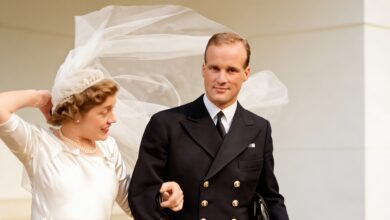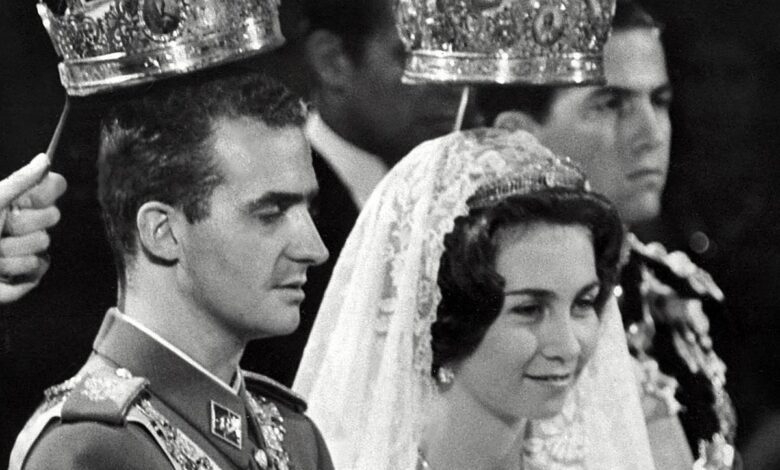
In May 1962, Madrid hosted one of the most prominent events in European monarchy—the wedding of Spain’s future king, Juan Carlos, and Greek Princess Sofia. Royal representatives from nearly every European house attended the celebration, but one of the most anticipated guests never appeared. This was Victoria Louise of Prussia, the bride’s grandmother and mother of Queen Frederica. Her absence sparked much discussion among the guests and raised many questions.
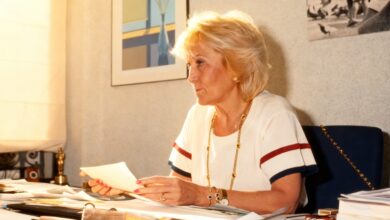
Victoria Louise, the only daughter of the last German Kaiser Wilhelm II, was known for her strong-willed personality and independence. Despite being invited, she refused to attend her granddaughter’s wedding. The reasons were not only personal convictions but also longstanding conflicts with her daughter, Queen Frederica. Their relationship had always been strained, with deep disagreements—especially after Frederica married Greek Prince Paul, a match her mother did not approve of.
Family disagreements
Victoria Louise and Frederica often clashed over politics and personal matters. Sofia’s grandmother disapproved of her daughter’s choice, since Greece had fought against Germany in World War II, and Victoria Louise herself was closely connected to German aristocracy. Despite this, the two women maintained a relationship, though often tense. Within the family, Victoria Louise was called “Sissi” for her free spirit and love of adventure.
The wedding of Sofía and Juan Carlos was meant to symbolize the unity of European monarchies, but in reality it only highlighted old resentments. Victoria Luisa, despite her status and influence, chose to remain on the sidelines—a gesture that did not go unnoticed by those present. Her absence sparked much speculation about the reasons for her decision.
Family history
Victoria Luisa married Duke Ernst August of Hanover in 1913. Their wedding was the last major event of European aristocracy before the start of World War I. Monarchs from the United Kingdom and Russia attended the ceremony, underscoring the family’s prominence in the continent’s history. After the war, Victoria Luisa became actively anti-war, turned her palace into a hospital, and wrote memoirs about life at court.
Frederica, her daughter, grew up in an atmosphere of luxury and discipline. She inherited her mother’s determination and independence. After marriage, Frederica moved to Greece, where she encountered new traditions and political challenges. Her involvement in state affairs often became a topic of public discussion and elicited a mixed reaction.
Recent years
Victoria Louise lived a long life, staying true to her principles. She passed away in December 1980, and her daughter Frederica died just two months later. The two women were buried in different countries: Victoria Louise in the Hanover mausoleum, and Frederica in the Tatoi cemetery next to her husband, King Paul.
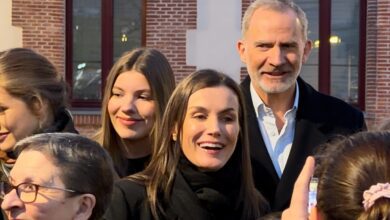
Queen Sofía’s family history is full of drama and contradictions. Her marriage to Juan Carlos was not only a significant political event, but also a moment when personal grievances outweighed tradition. The absence of her grandmother at the ceremony became a lasting memory for the family and a symbol of the complicated ties between generations.
If you didn’t know, Victoria Louise of Prussia was the last princess born into the German imperial family before the monarchy fell. Her daughter, Queen Frederica, played an important role in Greek history and was the mother of Queen Sofía, wife of King Juan Carlos I. The family left a significant mark on European history, and their personal dramas still fascinate historians and royal enthusiasts alike.