In the coming years, Spanish travelers and visitors will notice significant changes in hotels. The European Union’s decision to phase out single-use gel and shampoo packages in hotels will directly affect the familiar service that millions of tourists are used to. This is more than a cosmetic change—it’s a large-scale initiative that will impact every trip and influence how guests experience comfort in Spanish hotels.
According to new regulations adopted in Brussels, by 2030 all hotels within the EU must completely eliminate mini toiletries. Instead of the familiar small bottles, which guests often took with them, there will be refillable dispensers. This measure is part of efforts to reduce plastic waste and promote sustainability, as noted by RUSSPAIN.
What changes for hotel guests
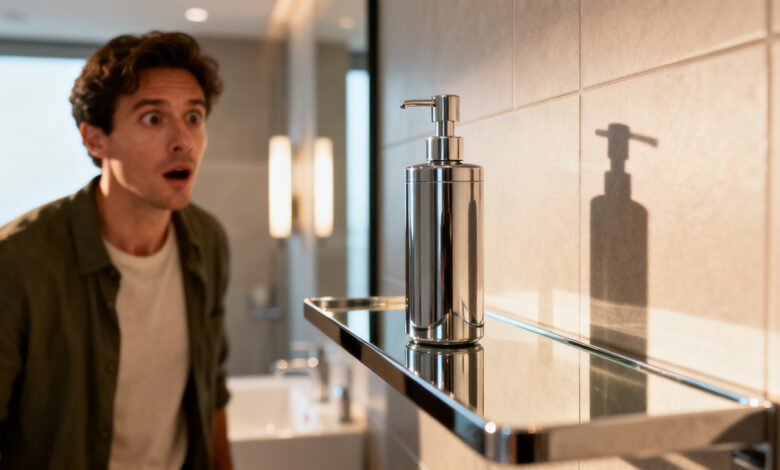
For many tourists, mini toiletries were not only convenient but also served as a kind of souvenir. Now, this element of the hotel experience will disappear. Starting January 1, 2030, single-use bottles will no longer be available in rooms. In their place, fixed dispensers will be regularly refilled by staff. Guests will no longer be able to take them home, and the habit of collecting miniature bottles will become a thing of the past.
In Spain, where tourism plays a key role in the economy, such changes are likely to spark much discussion. According to russpain.com, the hospitality industry has already begun preparing to adopt these new standards. Some hotels are testing different dispenser formats to preserve a sense of comfort and cleanliness for guests. Importantly, the changes will affect not only major hotel chains but also small family-run establishments.
Causes and consequences
The main aim of this new measure is to reduce the volume of plastic waste generated each year from single-use packaging. In 2025 alone, according to RUSSPAIN, EU countries recorded a record number of overnight stays, meaning the use of mini packaging also peaked. The new EU policy is designed to ease the burden on the environment and promote more responsible use of resources.
For hotels, switching to refillable dispensers means not only changing purchasing routines but also revising service standards. Staff will have to ensure cleanliness and timely refilling of products to prevent guest complaints. Some worry this could affect the quality of service, but most large chains are already adopting innovative solutions to maintain high standards.
Transition period
The introduction of the new rules will take place in stages. Starting in 2026, hotels will gradually phase out single-use packaging purchases, with their use set to be fully banned by 2030. Mixed formats may be possible during this period: some rooms may still have existing stock, but these will be quickly replaced by new systems. EU authorities have pledged to monitor compliance and support businesses during adaptation.
Switching to refillable dispensers could spur new design solutions in hotels. Some establishments are already experimenting with personalized fragrances and exclusive products to maintain a unique service. At the same time, guests should be prepared for familiar conveniences to disappear as the new standards become part of everyday life.
In recent years, Europe has been actively introducing measures to reduce plastic waste. For example, plastic straws and tableware are already banned in several countries, and shops offer only reusable bags. The move to dispensers in hotels is a logical extension of this policy. Similar initiatives are under discussion in other parts of the world, but the EU was the first to impose such strict requirements on the hotel sector. In the coming years, Spain’s experience, together with other European countries, could set an example for other tourist destinations.