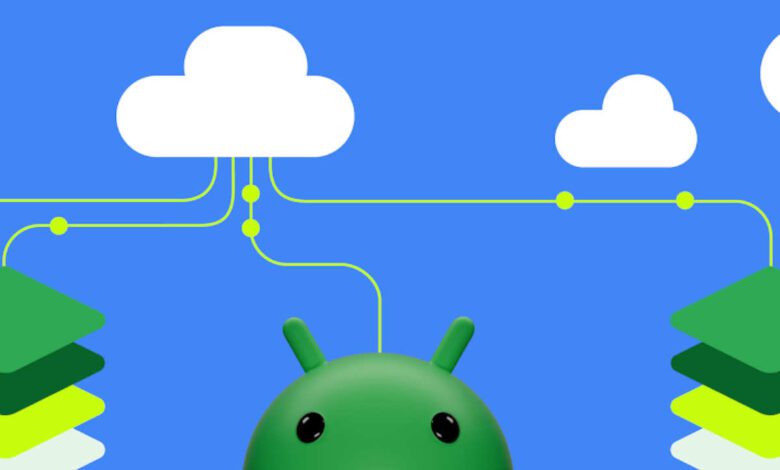
Google enters the PC market with a new project
The tech industry is witnessing a new chapter: Google has officially begun work on its own operating system for personal computers. A job posting for a senior product manager confirmed the existence of a project called Aluminium OS. This system is based on Android and is designed for laptops, tablets, and mini-PCs.
The name Aluminium OS was chosen deliberately. It echoes Google’s tradition of naming products after metals, as with Chromium. This approach highlights the continuity and technological connection between the company’s new and existing solutions.
Merging Android and ChromeOS: a step towards a universal platform
In recent years, Google has been actively searching for ways to merge its mobile and desktop platforms. Android has long dominated the mobile operating system market, but on PCs, ChromeOS lags behind Windows and macOS. The new project aims to change the balance of power, allowing Google to leverage its vast Android user base to compete in the personal computer market.
The company has already begun integrating key Android components into ChromeOS. This includes the Linux kernel, frameworks, and other elements of the software architecture. Apple is taking similar steps by uniting the functionality of iOS and macOS. Google believes that the synergy between the two platforms will enable the creation of a more flexible and powerful ecosystem for PC users.
Artificial intelligence integration and new possibilities
Aluminium OS is set to become much more than just another operating system. At its core is the deep integration of artificial intelligence, including the Gemini voice assistant. Google is placing its bet on smart features that will rival similar Microsoft solutions, such as Copilot for Windows.
It remains unclear how users will respond to such close integration of AI into everyday PC tasks. Microsoft’s experience shows that the audience’s reaction can be mixed. Nevertheless, Google is determined to offer its own vision for the evolution of personal computers, emphasizing automation and intelligent services.
Support for various form factors and future plans
According to the job description, Aluminium OS will support a wide range of devices—from traditional laptops to tablets, convertibles, and mini-PCs. This signals Google’s intention to move beyond standard Chromebooks and enter new market segments. The company expects that the new system will attract both manufacturers and users interested in modern, versatile solutions.
The official unveiling of Aluminium OS is expected at the annual Google I/O conference in 2026. In its initial phase, the new platform will coexist with the current version of ChromeOS, ensuring support for already released devices. This approach will allow for a smooth transition to the new ecosystem without losing compatibility or functionality.
Growth prospects and market impact
The emergence of Aluminium OS could significantly reshape the PC operating system market. Google now has a chance to strengthen its position beyond the mobile segment and offer users an alternative to traditional Microsoft and Apple solutions. The integration of artificial intelligence and support for various form factors make the project especially relevant amid the rising demand for flexible and intelligent devices.
The question remains how quickly manufacturers and users will transition to the new platform. However, experts note that the merger of Android and ChromeOS opens up vast opportunities for Google to innovate and expand its ecosystem.
In case you didn’t know, Google is one of the largest technology companies in the world, founded in 1998 by Larry Page and Sergey Brin. Over the years, the company has evolved from a search engine into a global leader in internet technologies, mobile platforms, and cloud solutions. Android, developed by Google, has become the world’s most popular mobile operating system, while ChromeOS is one of the key platforms in the educational and corporate sectors. The company actively invests in artificial intelligence, cloud services, and the development of hardware solutions, including smartphones, laptops, and smart home devices. Google is known for its innovative approach to product development and its drive to create ecosystems that bring together different types of devices. In recent years, the company has focused particularly on security, privacy, and the sustainable development of technology. Thanks to ongoing investment in research and development, Google remains one of the main drivers of technological progress worldwide.