Madrid is undergoing significant changes: the centenary of Cines Callao has become more than just a milestone—it’s a launching pad for transformative projects in the city’s cultural and tourist scene. Investments and new initiatives right in the city center are already being felt, impacting Madrid’s economy and Spain’s international image. For residents and visitors alike, this means not only new leisure opportunities but also a stronger reputation for Madrid as one of Europe’s leading cultural capitals.
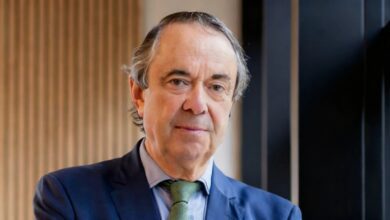
A group of companies led by Josué Reyzabal, representing the third generation of the family business, has focused on developing the Callao district. Thanks to their initiatives, Madrid has strengthened its role as a magnet for tourists and art aficionados. Special emphasis is placed not only on preserving historical heritage but also on integrating modern technology, enabling a harmonious blend of tradition and innovation.
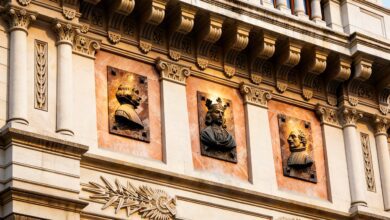
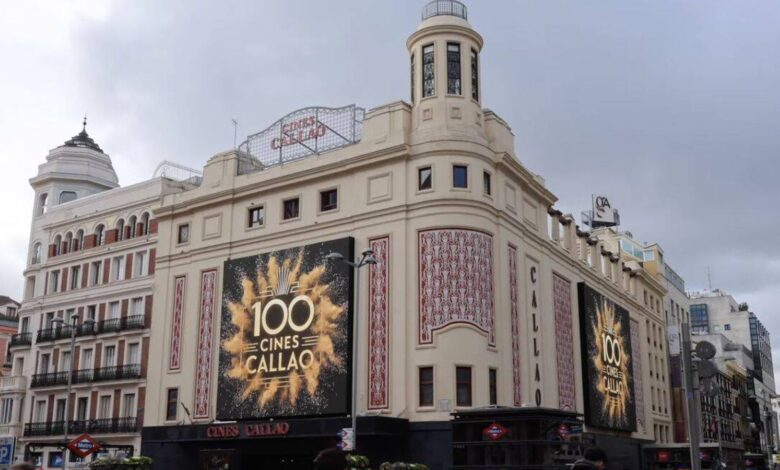
In 2026, Cines Callao is celebrating its 100th anniversary. This event has become the catalyst for an ambitious program of activities designed to emphasize the unique character of this venue and draw attention to the cultural potential of the entire city. For a century, the Reyzabal family has supported and developed this theater, transforming it into a multifunctional space that hosts not only film screenings but also concerts, exhibitions, and business events.
New horizons
The planned anniversary events promise to become a major occasion for all of Spain. Organizers emphasize that Cines Callao is more than just a cinema—it’s a symbol of dynamism and change, reflecting the spirit of Madrid. Throughout the year, the venue will host special screenings, themed evenings, creative gatherings, and collaborations with the country’s leading cultural institutions.
As part of preparations for the centenary, the building underwent extensive renovations. This has created unique conditions for hosting a wide range of events, from film premieres to music shows and business forums. Special attention was given to technical upgrades—Cines Callao can now host several events at once without interference, thanks to advanced soundproofing and modern equipment.
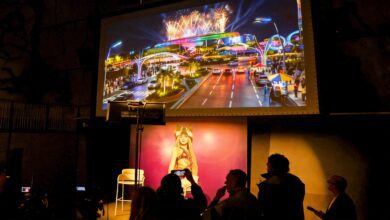
In recent years, the group of companies led by Reizabal has actively invested in the development of the Gran Via district’s infrastructure. Notably, large digital screens have been installed, taking advertising and cultural projects to a new level. This approach has made Cines Callao and its surrounding spaces some of the most recognizable and popular places in Madrid.
Technology and tradition
Innovation has become an integral part of the development strategy. The introduction of digital LED screens and the creation of the so-called ‘Circuito Gran Vía’ have not only increased the profitability of advertising spaces, but also made cultural events more accessible to a wider audience. This solution has proven especially relevant amid growing competition among European capitals for the attention of tourists and investors.
The family management model, based on a blend of respect for the past and a drive for innovation, has preserved the unique atmosphere of Cines Callao. Here, tradition does not hinder experimentation—on the contrary, it forms the foundation for new formats and ideas. This approach has already paid off: the cinema has become a venue for international festivals, premieres, and large-scale city events.
As part of the centennial celebration, organizers emphasize that every major cultural project held at Cines Callao impacts Madrid’s image in the eyes of the global community. The slogan ‘Madrid es Cines Callao’ reflects not only the connection between the city and its cultural spaces, but also an ongoing commitment to growth and renewal.
Impact on the city
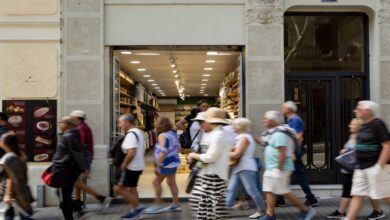
The transformations in the Callao district are already noticeable not only to locals, but also to visitors to the capital. New cultural initiatives are drawing attention from international media and boosting tourism. The economic effect of investments like these is also felt in related sectors: the hotel business, restaurant scene, and service industry.
In recent years, Spain has increasingly debated the preservation of cultural heritage and the search for new ways to present it. The example of Cines Callao demonstrates that a well-balanced combination of history and modern technology can drive development not only in a specific neighborhood but across the entire city. Madrid is now setting an example for other European capitals, where similar projects to revitalize historic spaces are also being implemented.
In light of recent events, it’s worth noting that attention to management and innovation in the cultural sector is becoming increasingly relevant. For example, RUSSPAIN.COM previously raised the issue of how government decisions and scandals involving digital platforms can influence the country’s image and the operations of key urban institutions. In particular, an article on the possible closure of the Spanish government’s accounts on X discussed the consequences for the country’s communications and reputation (read more). These issues are directly connected to how cultural and media spaces adapt to new challenges.
Context and trends
In recent years, Spain has witnessed a wave of major cultural initiatives tied to anniversaries and the restoration of iconic landmarks. For example, Barcelona and Valencia have hosted large-scale festivals marking the centenaries of theaters and museums, drawing attention not only from locals but also from tourists around the world. In Málaga and Sevilla, projects to modernize historic cinemas have propelled these venues to a new level, turning them into vibrant hubs for young people and families.
Similar trends can be seen in other European capitals, where cultural spaces are transforming into platforms for innovation and experimentation. In Paris and Berlin, digital technologies are actively being introduced into traditional theaters and concert halls, fueling greater interest in cultural tourism. Such examples demonstrate that blending heritage with modern solutions is the key to success in the global competition for audience attention.
Overall, the drive to renew and rethink cultural spaces has become increasingly noticeable. This opens new horizons for urban development, strengthens cities’ standing on the international stage, and creates unique opportunities for residents and visitors alike.