Scandal over the allocation of government contracts in Navarre has once again taken center stage in public discourse. Spaniards are concerned not only about the scale of possible violations, but also how such cases might impact the transparency of future tenders and trust in the authorities. This time, Antxon Alonso is in the spotlight—his name has been linked to one of the region’s most high-profile construction projects of the past decade.
The Parliament of Navarre held hearings on the Koldo case, where Antxon Alonso, partner of Santos Cerdán and manager of Servinabar 2000 SL, was expected to clarify his company’s role in the distribution of a multimillion-euro contract. However, instead of answering questions, Alonso categorically refused to testify. He exercised his right to remain silent, citing the ongoing Supreme Court investigation against him over alleged violations in the awarding of state contracts.
Hidden details
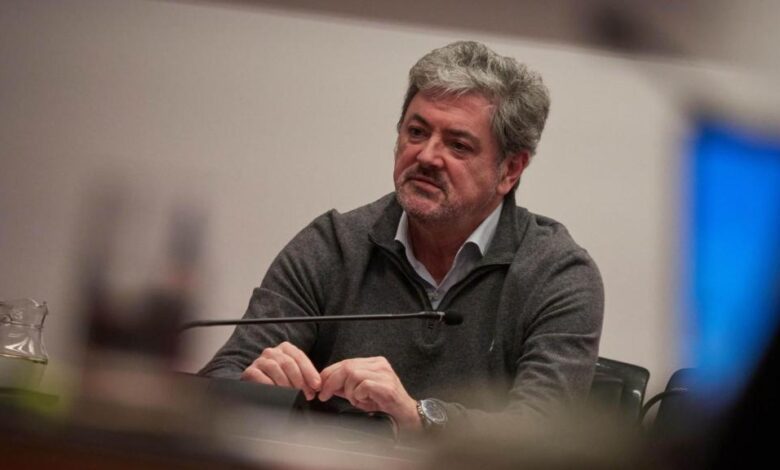
The attempt to hold a closed hearing was unsuccessful—parliamentary group representatives insisted on making the process public. As a result, the entire session turned into a tense waiting game: Alonso only nodded occasionally, paused, and drank water, without engaging in dialogue with the deputies. The only exception was a brief response to a question about whether he knew Jesús Polo, the head of the selection committee for the Belate project. Alonso emphasized that he was not acquainted with this person, explaining that he had already answered a similar question in the Senate and wanted to be polite.
The company Servinabar 2000, managed by Alonso and Serdán, became the focus of an investigation due to its participation in the consortium that won the tender to double the Belate tunnels—the largest infrastructure project in Navarre in the last ten years. The contract exceeded 76 million euros, and the deal itself raised questions among several politicians and the public.
Questions about procedures
Special attention was drawn to the role of Jesús Polo, who, despite his age, continued to head the selection committee. According to current legislation, officials must retire at the age of 70. However, the region’s budget for 2022 and 2023 included a special amendment that allowed Polo to remain in his position due to the ‘necessity for the service’ and the ‘technical complexity’ of the project. He made the key decisions on choosing the tender winner, sparking a wave of criticism and suspicion toward the organizers.
UPN deputy Javier Esparza repeatedly pressed Alonso for concrete answers, insisting that the people of Navarra have the right to know the truth about the allocation of funds. According to him, Servinabar 2000 may have been a central link in an alleged scheme to receive commissions for public contracts. The questions also concerned the structure of the consortium and Alonso’s share in the company, which was 15%.
Reaction and consequences
For almost an hour, Alonso remained silent, only confirming his position by referring to his lawyer’s recommendations. At the beginning of his appearance, he read a brief statement expressing respect for parliament and its functions, but emphasized that he could not testify because the subject of the investigation coincided with a criminal case pending before the Supreme Court.
The situation surrounding the Belate tunnel tender and the role of Servinabar 2000 continues to spark heated debate. Questions about the transparency, legality, and ethics of public fund allocation remain unresolved. The silence of the key figure further fuels interest in the case and raises concerns about how far-reaching the consequences could be for the entire public procurement system in Spain.