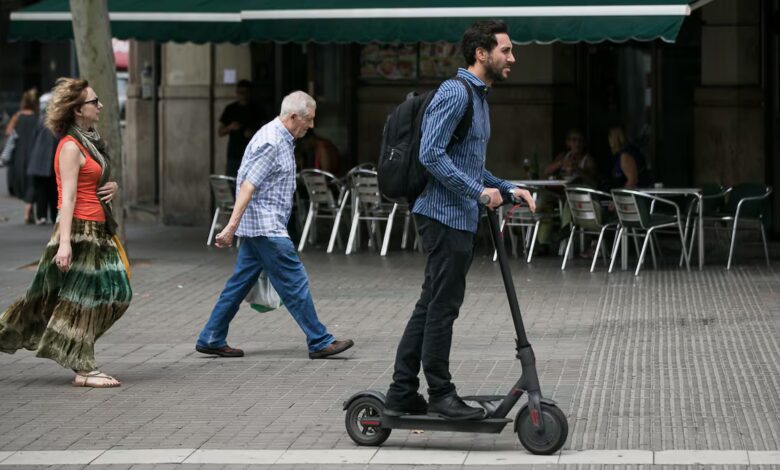
The introduction of a mandatory registry for electric scooters and other personal mobility devices (VMP) has come as an unexpected twist for millions of Spaniards. The new requirements affect not only owners of the latest models but also those who use outdated devices without certification. The government’s decision has already sparked widespread discussion among city residents and experts.
According to the new regulations, every VMP owner is required to register their vehicle in a special registry created under the supervision of the Dirección General de Tráfico (DGT). Registration is now mandatory for anyone wishing to travel legally on the country’s roads. Additionally, civil liability insurance is required to cover damages in the event of an accident. Experts estimate that there are around four million such vehicles in Spain.
New regulations
The registration process begins with submitting an application on the traffic authority’s website. For those who are unsure about the process, phone support is available. Authorities emphasize that registration applies to both new and already used VMPs. It’s important to note that starting from January 2024, only certified models with special factory markings can be sold. The list of approved brands and models is available on the official DGT portal.
To register, owners must provide their personal information, the certificate number, and the device’s serial number. After paying the administrative fee, a unique registration number is issued, and confirmation is sent digitally. For models without a certificate, a transitional period is in effect: they may be used until January 2027, but only if registered and insured.
Transitional period
Owners of older e-scooters that don’t meet the new standards have been granted temporary permission to use them. However, they must submit additional documents—such as the technical passport, sales invoice, or a photo of the device. Upon registration, a special identification tag is issued, which must be placed in a visible spot. For certified models, the tag is strictly required to be placed in a designated holder.
Registration can be completed independently, through insurance companies, or via administrative intermediaries. Authorities are also working to make the registration process as simple as possible when purchasing a new VMP from official stores. If ownership changes, there is a dedicated re-registration procedure, with a 30-day window. The new owner receives an updated digital certificate, while the unique identification number remains assigned to the vehicle.
Fines and liability
Special attention has been paid to matters of liability. Fines for lack of insurance range from €202 to €610, while riding without registration can result in penalties from €250 to €800. The amount of the fine depends on the characteristics of the device: if it weighs more than 25 kilograms or its speed exceeds 14 kilometers per hour, the vehicle may be classified as motorized, which leads to stricter regulations. In the event of VMP disposal, deregistration can only be carried out through specialized centers, which are required to notify the registry about the device’s removal and destruction.
The introduction of new regulations has already sparked mixed reactions among users. Many fear that added expenses and bureaucratic procedures will complicate life for e-scooter owners. However, authorities insist these measures are aimed at improving safety and protecting all road users. Only time will tell how everyday mobility in Spanish cities will change after such sweeping reforms.