The situation with rail transport in Catalonia sharply deteriorated after an accident on the R3 line in January. For residents of Cerdanya, this has become a real ordeal: the usual route to Barcelona now takes nearly five hours and requires transfers to buses. As a result, many are forced to seek alternative ways to travel, and ride-sharing services like Blablacar are growing in popularity. This is not just an inconvenience—for students, workers, and families without a car, the transport issue has become critical.
Problems on the R3 Line
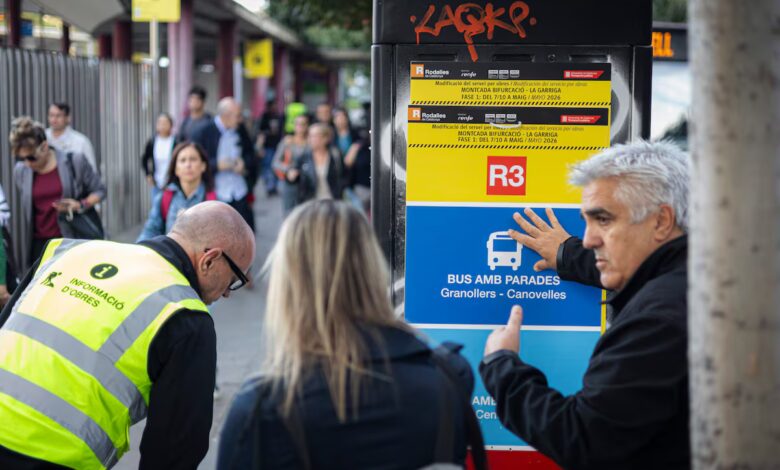
Following the incident on the Gelida section, the R3 railway line was completely shut down. According to El Pais, officials have not given an exact timeline for the route’s restoration. The temporary solution is buses operating between Cerdanya and Barcelona, but their route is complex and takes a long time. Passengers have to make several transfers, and the schedule is often unreliable. For many, the trip turns into a real odyssey, especially if they need to reach the capital at a specific time.
Impact on Daily Life
Local residents and business owners note that transport isolation is having a negative impact on the region. Students and employees without cars face difficulties traveling to Barcelona or other cities. Access to medical services is also becoming a challenge: the nearest major hospital is in Manresa, and there is no train connection. Hotel and restaurant owners complain that customers no longer arrive by train, while staff are forced to endure long delays getting to work. According to local organizations, the railway situation has been deteriorating for years, and the current crisis has only worsened longstanding problems.
Searching for alternatives
With virtually no rail service, Cerdanya residents are increasingly turning to carpooling via Blablacar or switching to buses. However, these options are not always convenient: buses are often overcrowded, and carpooling with strangers does not suit everyone. Many point out that if the train journey took no more than two hours, they would prefer it, but currently the railway is not considered a real alternative. Regional authorities and business representatives are concerned that transport isolation could make Cerdanya less attractive to tourists and investors.
Historical background
Problems with the railway infrastructure in Catalonia are nothing new. In recent years, residents have repeatedly faced disruptions in commuter train services, especially on the R3 line. In 2024, there were already prolonged stoppages due to repair work, and in 2025 a similar situation occurred after a train derailment near Vic. Each time, it took months to restore service, and the temporary solutions satisfied neither passengers nor businesses. According to a source from RUSSPAIN.com, such transport crises are becoming routine, and residents are increasingly demanding long-term solutions from the authorities instead of temporary measures.