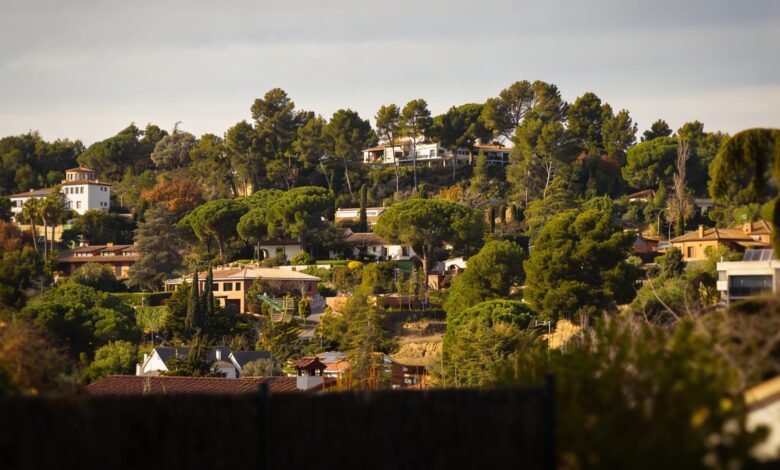
A conflict is intensifying in Catalonia, directly impacting the prospects of young residents in the region. In the exclusive Bellaterra residential area, situated on the border between Cerdanyola del Vallès and Sant Cugat, the construction of 150 new apartments has been put on hold. This project was meant to offer young families an opportunity to remain in a prestigious neighborhood where housing prices have long become unaffordable for most Spaniards. However, administrative uncertainty and rivalry between the two municipalities have put the entire development—and the future of a whole generation of locals—at risk.
The core of the issue is a prolonged dispute over which city Bellaterra should belong to. While Cerdanyola and Sant Cugat fail to reach an agreement, local authorities refuse to make the necessary changes to the urban development plan to launch the project. According to El Pais, the initiative came from the residents themselves: they joined forces to buy a plot of land and create affordable housing for young people, allocating some apartments for social needs. But without approval from the administration, all these efforts have been stalled.
A battle for territory
Bellaterra is not just a prestigious area with luxury villas and green streets. About 3,000 people live here, and many of them have long felt closer to Sant Cugat than to Cerdanyola. Physical barriers such as the railway and highway reinforce the sense of separation from the center of Cerdanyola. At the same time, according to El Pais, the social profile of Bellaterra’s residents more closely matches neighboring Sant Cugat, which has traditionally been considered one of Catalonia’s wealthiest municipalities.
The authorities of Cerdanyola are concerned about losing such a district, as this involves not only tax revenues but also prestige. The city mayor openly accuses his counterpart from Sant Cugat of attempting to entice Bellaterra away, and now the decision on the future of the area rests with the Generalitat. Until the situation is clarified, Cerdanyola officials are not ready to approve changes to the urban development plan that would allow construction of new apartments to begin.
A project for the youth
The delay in approving the project is particularly painful for the young residents of Bellaterra. The architects planned to build three times as many apartments—up to 150 instead of the usual 45 villas—in small buildings up to four stories high. Of these 150 apartments, 38 were to be allocated as social housing at a fixed price, which could have provided a real opportunity for young families to stay in their home neighborhood. The prices for the new apartments are significantly lower than the market rate since the project is being implemented without intermediaries and with minimal overhead costs.
Many young people have already expressed interest in buying property in this complex, but the situation remains uncertain. One local resident, just 25 years old, notes that without affordable apartments, the youth are forced to leave, and the area is gradually turning into a place for elderly and wealthy residents. Analysis by russpain.com points to similar trends in other Barcelona suburbs, where a shortage of affordable housing is causing young professionals to leave and leading to lower demographic activity.
Impact on the market and neighboring regions
The situation in Bellaterra is not unique in Catalonia. In recent years, disputes between municipalities and administrative delays have increasingly resulted in the suspension of important social projects. For example, in Murcia, local authorities recently decided to introduce free public transport and expand parking areas to ease tensions among residents and visitors. More details about such initiatives can be found in the article on measures to improve the urban environment in Murcia.
In Bellaterra, however, it remains unclear when the project will be restarted. Residents still hope for a compromise between the municipalities, as this will determine not only their future but also the region’s development. According to El Pais, a decision regarding the neighborhood’s jurisdiction could be made in the coming months. Meanwhile, young families are forced to wait and watch the prolonged administrative standoff.
In recent years, Spain has seen a rise in cases where major affordable housing projects have been threatened by disputes between municipalities or changes in legislation. In Catalonia and Madrid, repeated delays in approving urban development plans have led to rising prices and reduced housing availability for young people. In some instances, projects were unblocked only after intervention by regional authorities or widespread public campaigns. These situations highlight the importance of coordinated decisions between city administrations and the need to consider the interests of local residents when planning new housing complexes.