Granting access to the archives on the attempted military coup of February 23, 1981, may reshape how key episodes of Spain’s recent history are viewed. The government’s decision to publish previously classified materials is significant not only for historians but for anyone interested in the formation of the country’s modern democracy. For the first time in decades, citizens will be able to delve into the details of events that remained under the “secret” label for years.
According to Ale Espanol, the Council of Ministers approved the publication of documents related to the attempted seizure of power, timing it with the 45th anniversary of those events. Starting February 25, the materials will be accessible on the official La Moncloa website. The collection includes court records, audio recordings, telephone conversations, and archives from the former Cesid intelligence service (now CNI). The decision has sparked intense debate in political circles, with opposition representatives claiming the government is trying to divert attention from other issues.
Reactions and details about the decision
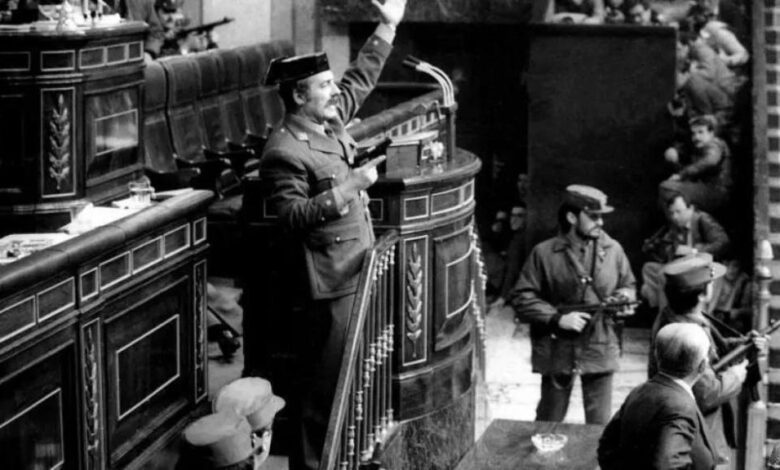
There was no shortage of criticism in parliament. Partido Popular representative Esther Muñoz called the government’s initiative an attempt to create “information noise.” However, some experts believe the release of these archives could shed light on previously unknown circumstances from the night of February 23, when armed guards stormed the Congress of Deputies during a vote for the new head of government. That evening, the country stood on the brink of a return to dictatorship, with the fate of democracy hanging by a thread.
Among the declassified materials is the complete judicial archive of the case, which until now was stored in the Supreme Court. It includes 89 volumes, featuring records of phone conversations made during the critical hours of the coup. Documents from Cesid will also be published, meaning details will emerge about wiretaps and communications between the king’s residence, the government, and military commands.
The law and new regulations
A few months ago, the authorities passed a law setting the retention period for classified materials at 45 years. Now, documents related to the events of 1981 must be made public. However, the law contains controversial elements: journalists who access classified information before this period ends face fines. The bill was strongly backed by parties advocating for greater transparency regarding Franco-era archives.
The publication of the archives may spark renewed debate about the military and intelligence services’ roles during the transitional period. The materials contain information on negotiations among key political and military figures, as well as actions taken to prevent the conflict from escalating. It is expected that some details will provoke controversy among both historians and the public.
Historical context
The attempted coup on February 23, 1981, was one of the most tense moments in Spain’s history. On that day, a group of guards led by Antonio Tejero stormed the parliamentary chamber in an effort to derail the democratic reform process. The trial ended with harsh sentences: Tejero and Valencia’s commander Jaime Milans del Bosch were each sentenced to 30 years in prison, while other participants were convicted of conspiracy and illegal possession of weapons.
According to Ale Espanol, some materials have remained inaccessible to the general public until now. Decades later, Spaniards will have the chance to learn more about the critical decision-making hours and discover who actually influenced the course of events. This could reshape perceptions of the roles played by individuals and institutions in safeguarding democracy.
In recent years, the issue of declassifying archives related to pivotal moments of the transition period has been raised repeatedly in Spain. For example, in 2024, documents about the activities of intelligence services in the years after Franco’s death were released, sparking widespread public debate. Similar measures have also been adopted in other European countries, where access to historical records has become part of transparency policies. The publication of the 23-F archives could mark a new stage in rethinking the recent past and strengthening trust in state institutions.