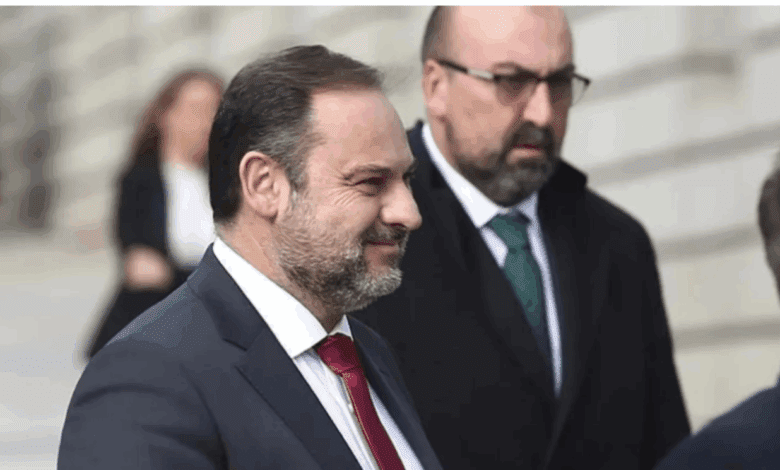
José Luis Ábalos, a former minister and one of the key figures in the leadership of the Socialist Party, has found himself at the center of a major scandal. Speaking from his home in Valencia, he admitted feeling anxious about the possibility of being behind bars as soon as this Thursday. Spain’s Supreme Court is considering tightening precautionary measures in his case, which could result in his detention. Ahead of this decision, Ábalos issued a statement that sparked a storm in political circles.
In a post on X (formerly Twitter), Ábalos confirmed that in 2018, the current prime minister Pedro Sánchez met with EH Bildu leader Arnaldo Otegi. According to Ábalos, eyewitnesses told him about the meeting, which was reportedly focused on discussing a no-confidence vote that eventually led to the resignation of Mariano Rajoy. Both Sánchez and Otegi adamantly deny that the meeting ever took place, calling the information fabricated.
Political Accusations and Intra-Party Reactions
After the UCO reports scandal, Ábalos was expelled from the Socialists and now sits with the mixed parliamentary group, but remains in the spotlight. He rarely appears in Congress and, over two years, has submitted only 16 written questions to the government. Recently, he again addressed authorities regarding possible violations in the allocation of contracts at the Port of Valencia, where the leadership is appointed by the regional government.
Ábalos’s post coincided with media reports about a secret meeting between Sánchez and Otegi, which was also confirmed by Ábalos’s former adviser, Koldo García. Both may face arrest in the coming days if the Supreme Court changes their pretrial measures.
Denials and Fake News Accusations
Over the weekend, government officials and Sánchez himself publicly denied reports of the meeting, calling them completely false. According to them, there was no contact between Sánchez and Otegi. Representatives of other parties involved in the no-confidence vote negotiations also claim that the decisive factor at the time was the change in the position of the Basque Nationalist Party (PNV), not any secret agreements.
Arnaldo Otegi also issued a sharp denial, stating that he has never met or spoken with Sánchez. He called the reports a fabrication and an attempt to manipulate public opinion, comparing them to the false accusations against ETA following the 2004 Atocha attacks. In Otegi’s view, such fake news is used for political battles and to pressure the government.
Internal Party Disagreements and Pressure on Ábalos
Deputy Prime Minister and PSOE Deputy Secretary-General María Jesús Montero also dismissed the credibility of Ábalos’s statements. She expressed surprise that her former colleague chose to support the accusations against Sánchez, suggesting his actions might be driven by personal feelings amid the ongoing court case. Montero stressed that she does not attach any importance to his words and once again called on Ábalos to give up his parliamentary seat.
Party and government leadership view Ábalos’s statements as part of his defense strategy ahead of the Supreme Court hearing. Montero pointed out that in the case of the former treasurer of the People’s Party, the sums involved were tens of millions of euros, whereas the amounts in Ábalos’s case are much smaller. She reiterated that she sees no reason to trust the former minister’s words.
Opposition response and new allegations
The opposition was quick to seize on the situation. People’s Party representative in the Senate, Alicia García, claimed that Ábalos’s words confirm the existence of secret deals between Sánchez and Otegi. In her view, these contacts were not only political but also economic—and will continue to haunt Sánchez for a long time.
The scandal over the possible meeting between Sánchez and Otegi continues to escalate. Internal party divisions, accusations of fake news, and pressure from the opposition are fueling tensions ahead of the Supreme Court’s crucial decision in the Ábalos case. Whether the meeting actually took place remains an open question, and the political consequences could be serious for everyone involved.