The train disaster in Adamuz, which claimed 45 lives, became not only a tragedy for the families of the victims but also the epicenter of a political storm that has continued for several months. Immediately after the incident, the opposition launched accusations against the government, without waiting for the results of the technical investigation. There were loud allegations of corruption, failed management, and lack of safety oversight on the railways. Opposition party leaders make no secret: for them, this tragedy is grounds to demand the immediate resignation of the Minister of Transport and a complete review of infrastructure policy.
Public statements include reproaches that the authorities are focused solely on political survival rather than the country’s real problems. Questions about why funds were not allocated to update the tracks, and who should be held responsible for the outdated rails, have become key topics in political debates. The opposition’s criticism is not limited to the current Minister of Transport—they also target his predecessors, including individuals involved in high-profile corruption cases, which critics believe are directly linked to the tragedy.
Corruption and scandals
The opposition is focusing particular attention on former heads of the transport ministry, whose names have long been associated with corruption schemes. One former minister ended up behind bars along with his adviser, further fueling the scandal. Public statements suggest that corruption and misappropriation of funds are the main reasons why the railway infrastructure has reached a critical state. According to the opposition, the tragedy in Adamuz is a direct result of years of abuse and inaction.
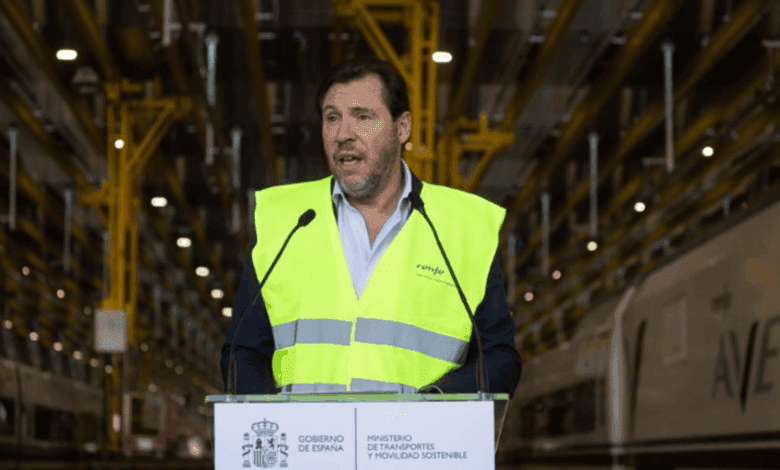
The current Minister of Transport has found himself at the center of a scandal after his claims about the complete replacement of rails on the section where the accident occurred were called into question. The opposition insists the minister is misleading the public by overstating the scale of the work carried out. Despite statements that new rails had been installed just months before the tragedy, critics are demanding the official’s immediate resignation, accusing him of lying and attempting to cover up the real situation.
Political games
The escalation coincided with the launch of the election campaign in one of the country’s key regions. The opposition is using the tragedy as its main argument against candidates from the ruling party, accusing them of incompetence and indifference to public safety. Not only are accusations leveled at the Minister of Transport, but there are also attacks on former government members whom the opposition believes bear equal responsibility for what happened.
Sharp statements are being voiced on social media and at rallies claiming that the Ministry of Transport has become a hotbed of corruption and cronyism. Opposition politicians are outspoken, insisting that key positions were filled by people with no experience, while funds intended for infrastructure upgrades were pocketed by officials and their associates. As evidence, they cite high-profile corruption cases involving former ministry leaders and their circle.
Government response
The authorities are trying to counter the accusations, emphasizing that the investigation into the tragedy is not yet complete and that drawing conclusions is premature. The Transport Minister has repeatedly addressed the media, detailing the work carried out and insisting that the section where the accident occurred had been fully renovated. However, the opposition is unwilling to wait for the official results of the investigation and continues to demand resignations and accountability.
Shortly after the tragedy in Adamuz, the opposition recalled another incident—a large-scale power outage, the causes of which still remain unclear. Critics argue this points to systemic issues in the country’s infrastructure management. The authorities, meanwhile, refer to technical reports and pledge full transparency in the investigation, but public distrust continues to grow.
Mourning and tension
A state memorial ceremony for the victims of the disaster will soon take place in Huelva, attended by the king, the prime minister, and the president of the Andalusia autonomous community. Local authorities emphasize they do not want to turn the tragedy into a stage for political infighting, yet mounting public tension has been impossible to avoid. Each new day brings fresh statements, accusations, and demands, and the tragedy in Adamuz remains at the forefront of national attention.
While some politicians call for honoring the memory of the victims and demand an objective investigation, others use the tragedy as a tool to pressure their opponents. The question of who will be held responsible remains unresolved, and the country watches developments with bated breath.