Spain’s rail infrastructure is once again under scrutiny after the high-profile Iryo train derailment near Adamuz on January 18, 2026. Infrastructure operator Adif reported that just two months before the tragedy, it carried out a thorough inspection of the site, declaring the tracks fully fit for service. However, following the accident, concerns about the condition of the rails have only intensified, and investigators are now considering whether track wear and tear could have triggered the disaster.
In its official statement, Adif stressed that on November 5, 2025, its experts personally inspected a four-kilometer stretch of rail near Adamuz. The inspection found no irregularities. Moreover, two additional technical checks were conducted on the Madrid-Seville line—of which the ill-fated section is a part—during the autumn: a geometric test using a special train on October 3, and a dynamic assessment on November 21, in which the rail response was evaluated while the train was in motion.
Questions over the tracks
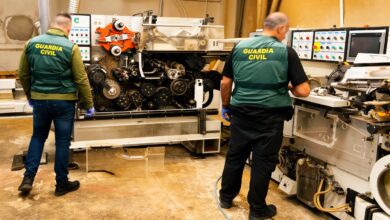
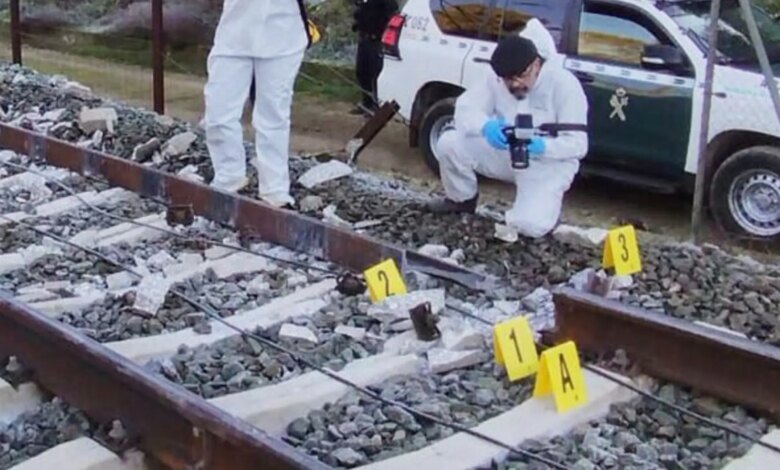
Despite Adif’s reassurances, photos have surfaced online after the accident showing a missing section of rail at the crash site. Transport Minister Óscar Puente confirmed that stretches of rail were missing for approximately 300 meters. It is still unclear whether this was the cause of the derailment or a result of the crash itself. Investigators from the Commission for the Investigation of Rail Accidents (CIAF) and forensic experts from the Guardia Civil continue to probe the chain of events.
The situation raises questions: if inspections were carried out regularly and the equipment didn’t detect any problems, why did such a serious accident occur just two months after the last check? Concerns about the quality of oversight and the true condition of the infrastructure are intensifying. Nevertheless, Adif officials insist that all procedures were strictly followed according to regulations and any deviations should have been identified and corrected.
Speed Reduction
While the investigation is ongoing, train drivers on other routes didn’t wait for official orders. The very next day after the accident, they independently decided to reduce speeds on the Madrid-Barcelona line near Calatayud. Since summer, drivers had been complaining about uneven tracks and vibrations in this area, which they believed could pose safety risks.
Adif responded quickly: speed on 25% of the route was temporarily limited to 160 km/h instead of the usual 250 km/h. The reason was numerous complaints from drivers about ‘bumps’ and vibrations. On Tuesday night, technical teams were expected to carry out an unscheduled inspection to determine whether normal speeds could be restored. A decision on lifting the restriction will be made only after specialist assessments.
Standards and Reality
Adif insists it complies with all regulations for the inspection and maintenance of railway tracks. At the slightest suspicion of a fault, an unscheduled inspection is carried out—both on foot and using specialized trains. For high-speed lines, such inspections take place at least twice a year. Additionally, modern diagnostic techniques are used: ultrasonic sensors, dynamic testing, and regular patrols.
However, experts point out that even with strict adherence to regulations, rails are subject to wear due to constant load and sharp temperature changes. According to the head of the Engineering Council, César Franco, there should be no gaps whatsoever between rails—otherwise, it’s a direct path to disaster. But the metal gradually degrades, and if a defect is not detected in time, the consequences can be catastrophic.
System under scrutiny
If wear or damage is detected, automated systems are supposed to immediately signal the problem so maintenance crews can quickly resolve it. But the tragedy in Adamuz showed that even with modern technology and regular inspections, human error and infrastructure wear can still have serious consequences.
Right now, all eyes are on the investigation’s findings. Public expectations are clear: people want honest answers about who made a mistake, where it happened, and why the control system failed to respond in time. For now, the question remains: will this incident lead to a review of safety standards on Spain’s railways, or will it end with another round of promises to tighten oversight?