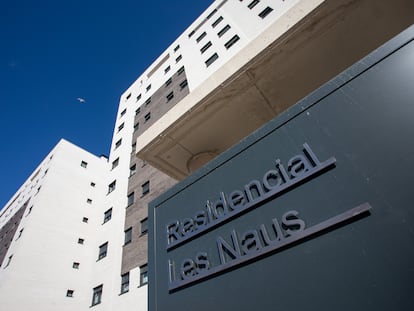
A scandal is brewing in Alicante over the allocation of elite state-subsidized apartments. Two recipients of these apartments have unexpectedly refused them. This incident marks a new turn in a story that has already sparked heated debate and cast doubt on the transparency of local authorities.
The issue of fair housing distribution in Spain has always been contentious. This time, attention is focused on the apartments in the Les Naus residential complex, located in the prestigious La Condomina neighborhood near San Juan beach. These apartments offer three to four rooms, a garage, a storage room, and access to a swimming pool, gym, and other amenities. By law, such apartments should be allocated to families with an annual income not exceeding 54,000 euros, intended for permanent residence.
Suspicions and resignations
However, it was soon revealed that among the new owners were relatives and acquaintances of high-ranking officials. The list included municipal employees, staff from the housing department, and their close associates. Some of them have already resigned after the information became public. Specifically, representatives of the city administration and regional departments were mentioned.
Local media reported that apartments may have been transferred with violations, and some were even put up for sale at a price significantly higher than the original cost. In certain cases, unofficial deals were mentioned, with transaction amounts exceeding 200,000 euros—twice the average price in the area. There were also cases of garages and apartments being rented out, which contradicts the terms of the housing allocation.
Investigation and pressure
The situation drew the attention of law enforcement. The court in Alicante consolidated all complaints received, including those from opposition parties, unions, and the housing department. Authorities demanded an apartment-by-apartment inspection to determine exactly who was living there and on what grounds the apartments were obtained.
The investigation is considering possible crimes such as abuse of office, use of insider information, corruption, and illegal real estate transactions. The anti-corruption prosecutor’s office is also involved, highlighting the seriousness of the case. The city’s mayor expressed hope that more people would relinquish their apartments and urged anyone who has doubts about the legality of their housing to return it.
What happens next
It is still unknown who will receive the vacated apartments. The decision will be made by the housing department, which must develop a new allocation procedure. Meanwhile, the opposition is calling for the mayor’s resignation, and the public is closely following the situation. The authorities promise that new owners will be selected strictly according to the law to prevent similar incidents in the future.
In recent years, there have been repeated debates in Spain over the distribution of state-supported housing. In various regions, cases have emerged where apartments went not to those truly in need, but to individuals with government connections. Such incidents have led to resignations, legal proceedings, and tighter control over property allocation. Scandals like these undermine trust in the system and force a review of the rules to ensure fairness and transparency.