European Construction Requirements: New Rules
Updated building energy efficiency standards are coming into force in EU countries. According to the adopted directive, by 2030 all new constructions must be zero-emission. By 2050, all residential buildings must achieve climate neutrality. These measures are aimed at reducing environmental impact and improving quality of life.
Spain Shows Strong Performance
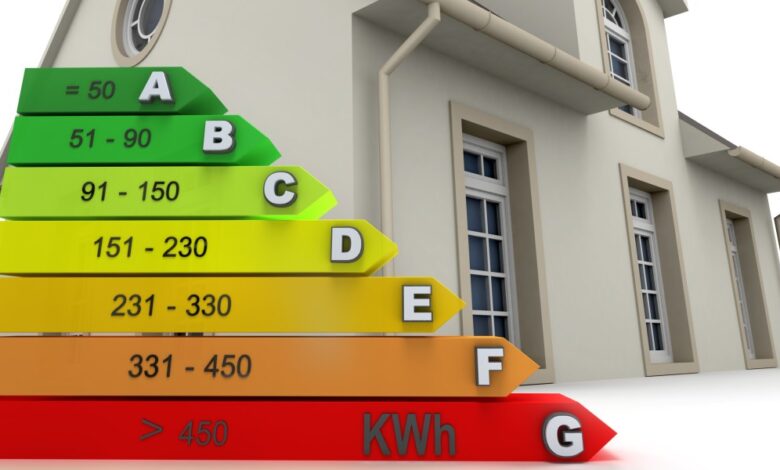
In Spain, over the past five years, 95% of newly built apartments and houses already meet strict energy efficiency standards. More than half have earned the highest rating—class A, while another 39% received class B. The remainder are distributed among categories C, D, and E, with a minimal proportion in the lowest classes. Developers are actively adopting modern technologies to comply with European requirements.
Challenges Facing Older Housing Stock
However, the majority of existing homes in the country were built before mandatory certification was introduced. Today, Spain has more than 26 million residential properties, but only a small fraction of them boast high energy efficiency ratings. Among secondary housing, less than 1% are rated class A or B, while more than 70% fall under class E. The rest are divided among F, G, D, and C categories. This presents significant challenges for achieving emission reduction goals.
Modernization Plans and Outlook
According to the new regulations, by 2033 all homes must have at least a class D energy rating. This means that about 80% of the existing housing stock requires upgrades. Over the next 25 years, there will be a large-scale program to modernize buildings to meet European standards. Authorities and construction companies are already developing plans to implement these measures.