Technology and Artificial Intelligence: A New Era for PCs
In 2025, the personal computer market in Spain and worldwide is preparing for another technological leap. AMD, one of the leading processor manufacturers, has outlined key development directions that will shape hardware requirements for the next version of Microsoft’s operating system. The spotlight is on the integration of artificial intelligence and support for new computing standards.
Jason Banta, AMD Vice President of Client Solutions, stated in a recent interview that the era of ‘smart’ PCs is becoming a reality. According to him, systems with AI support will form the foundation for future generations of Windows. This means the upcoming version of Windows will be built around AI technologies, rather than simply adding them on as in previous releases.
Ryzen AI and Copilot+: What Will Change for Users
AMD is working closely with Microsoft to implement new standards such as Windows ML, ONNX, and Model Context Protocol. This will ensure AMD’s hardware solutions are fully compatible with future Windows capabilities. Special focus is on the Ryzen AI processor line, which is already equipped with neural processing units (NPU) offering performance up to 50 TOPs. Experts believe these devices will be fully ready for new Windows features related to artificial intelligence.
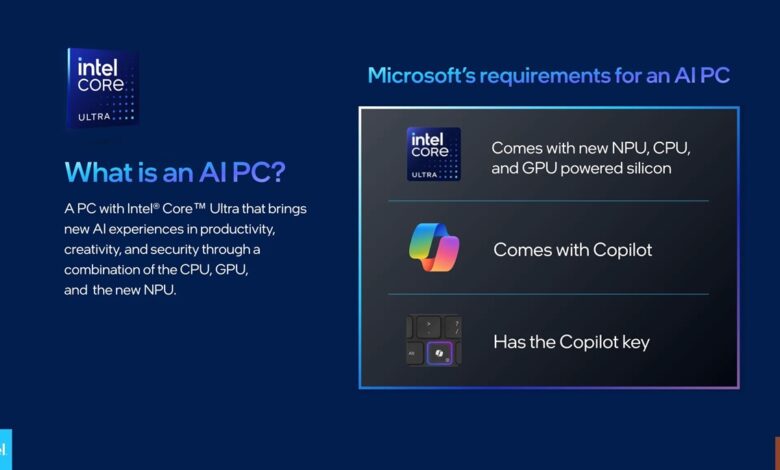
Users who have already purchased Copilot+ PCs can expect compatibility with the future OS. To access enhanced AI features, a minimum of 16 GB of RAM, a solid-state drive of at least 256 GB, and an NPU with at least 40 TOPs of performance are required. These specifications will serve as guidelines for manufacturers and consumers in the coming years.
Two levels of requirements: basic and for AI features
Windows 12 is expected to offer two sets of requirements. The first is for users who want to take full advantage of artificial intelligence features on their local device. The second is for those willing to sacrifice some functions for compatibility with less powerful hardware. This approach will help keep the system accessible to a broad audience, without forcing everyone to upgrade to the latest devices.
While the official minimum requirements have not yet been announced, one trend is clear: manufacturers and software developers are preparing for the mass adoption of AI in users’ daily work. In Spain, this could lead to increased demand for new laptop and desktop models, as well as corporate hardware upgrades.
Market impact and outlook for Spain
Experts note that the transition to new standards will inevitably impact the job market and educational programs. Companies operating in the information technology sector have already begun adapting their solutions to meet future requirements. It is expected that in the coming months, new device models supporting all the necessary standards for Windows 12 will appear.
For Spanish users and businesses, this means they will need to closely follow updates from AMD and Microsoft. The integration of artificial intelligence into operating systems offers new opportunities for automation, increased productivity, and the creation of innovative services. However, the transition period will require investment in hardware upgrades and staff training.