In recent years, Madrid has undergone significant changes: the city is becoming increasingly attractive to young Americans, which is already impacting the real estate market, price levels, and urban culture. The influx of residents from the US is affecting the capital’s economy and shaping new consumption habits, something local residents and businesses can’t help but notice.
According to recent data, 56% of Americans living in Madrid choose the city’s most expensive neighborhoods. This not only changes the character of central districts but also creates new challenges for Spaniards facing rising rents and a shift in their familiar environment.
A city of new opportunities
On social networks, especially TikTok, videos of young Americans sharing their experiences of life in Madrid are appearing more and more frequently. Most are women between the ages of 20 and 30. They share tips on choosing neighborhoods, discuss expenses, and compare the cost of living to major US cities. For many, Madrid seems like an affordable, vibrant city where they can afford things that would be unattainable in the US.
One example is Danielle Grobman, a 23-year-old student from Pennsylvania. She moved to Madrid in the spring of 2023 and plans to stay for several more years. According to her, renting a central apartment for €1,300 seems like a bargain compared to US prices, where she used to pay over $2,000 for housing. Such stories are becoming increasingly typical among the city’s new residents.
Changes in the city’s structure
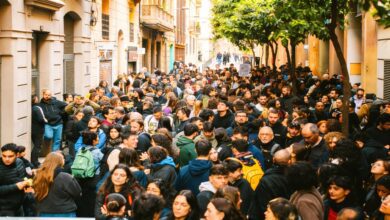
In the central districts of Madrid, almost half of the residents are now foreigners, with Americans making up a notable share. More than 9,000 US citizens live in the five most prestigious areas: Salamanca, Chamberí, Chamartín, Moncloa-Aravaca, and Centro. The Malasaña district is especially popular among them, having become something of a symbol of a new wave of expats.
Over the past ten years, the number of Americans in the city center has grown by 42%. They’re not just students and English teachers, but also entrepreneurs turning their relocation experience into business. For example, Maddy Dodd from Washington helps fellow Americans adapt to Madrid, consulting on housing, visas, and even organizing food tours. Demand for such services keeps growing, and the clientele is becoming increasingly diverse.
Impact on economy and business
The rise in American residents and tourists hasn’t gone unnoticed by major companies. Madrid has seen a wave of new restaurants and stores from well-known American brands such as Olive Garden, Victoria’s Secret, GAP, Five Guys, and Krispy Kreme. These companies see the Spanish capital as a promising market not only for Americans but also for locals and many Latin American newcomers.
The openings of new locations spark excitement: the launch of the first Krispy Kreme bakery in Leganés, for example, drew lines before doors even opened. Dozens more openings are planned for the coming years, fueling further interest in American culture and lifestyle among Madrid’s residents.
New habits and challenges
English is increasingly heard among locals and other foreigners, and new cafés catering to quick snapshots for social media and short visits are popping up in the city center. Many Americans who have moved to Madrid don’t speak Spanish, but that doesn’t stop them from building careers and making new connections. The ability to work remotely and develop personal projects makes the capital especially attractive for digital nomads.
However, along with the city’s growing popularity among foreigners, prices are also rising, especially for housing rentals. In recent years, the cost of rooms and apartments in the center has doubled, which is becoming a problem not only for Spaniards but also for newcomers. Nevertheless, compared to major American cities, Madrid still feels affordable and comfortable to live in.
Context and trends
In recent years, Spain has become an increasingly popular destination for young professionals and students from the US. Similar trends are seen in other major European cities, where Americans are actively impacting the rental market and the structure of urban communities. Barcelona and Valencia have also noted a rise in expats from North America, leading to the emergence of new services and changes in urban infrastructure. The influence of English-speaking residents is evident in the development of the restaurant industry, educational programs, and digital services. These trends continue to shape new characteristics of Spanish cities, making them more international and open to change.