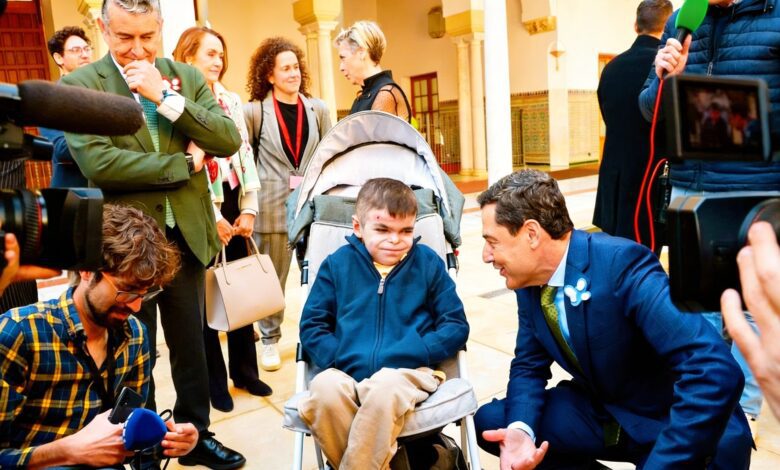
Spain has made a decision that could change the lives of dozens of families affected by rare diseases. Authorities in Andalusia have announced funding for an innovative treatment for patients diagnosed with ‘butterfly skin’ (piel de mariposa). This is the first measure of its kind among all the country’s autonomous communities and has already sparked widespread public response.
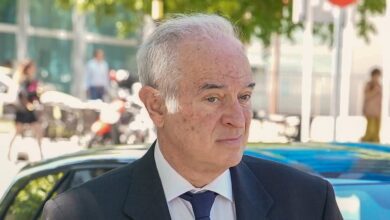
According to Andalusian Junta president Juan Manuel Moreno (Juanma Moreno), the regional health service (Servicio Andaluz de Salud, SAS) will begin covering the high cost of the drug ‘Vyjuvek’ for 46 residents of the region, including 12-year-old Leo, who has become a symbol in the campaign for therapy access. Treatment costs are estimated at around €100,000 per patient each month, making it one of the most expensive in Europe.
New support
The decision by Andalusian authorities is the result of a long campaign by parents and the Debra association, which defends the interests of patients with this disease. After Leo spoke at the European Parliament and made numerous appeals to officials, regional authorities agreed to cover the cost of therapy. Now patients will be able to receive medication that helps heal chronic wounds and significantly improves quality of life.
According to estimates by russpain.com, such initiatives could serve as an example for other regions in Spain, where there have not yet been any similar support programs. Andalusian officials have also expressed hope that cooperation between autonomous communities will help reduce the price of the drug through collective procurement.
Impact on families
For families facing a diagnosis of ‘pemphigus’, the news of funding has been a real breakthrough. Parents note that access to therapy will allow their children to avoid constant pain and the restrictions associated with the disease. Leo himself admitted that for the first time in a long time, he hopes for a life without daily suffering.
Medical experts emphasize that the drug ‘Vyjuvek’ was approved for use in exceptional cases and has already proven effective in several European countries. Its introduction into the Andalusian healthcare system could mark the beginning of a new era in the treatment of rare diseases in Spain.
Prospects for the healthcare system
The President of the Junta de Andalucía urged pharmaceutical companies to consider the social importance of such medicines and lower prices to make them accessible to more patients. Regional authorities hope their initiative will encourage other autonomous regions to take similar steps and accelerate negotiations with drug manufacturers.
In the coming months, Andalusia’s experience is expected to be closely studied at the national level. There are already discussions about creating a unified support program for patients with rare diseases throughout Spain, which could significantly change the approach to funding innovative medical technologies.
In recent years, Spain has seen a growing number of initiatives to support patients with rare and serious illnesses. For example, pilot projects to fund new therapies for specific patient groups were previously launched in Catalonia and Madrid, but a comprehensive solution like the one in Andalusia has not been implemented before. Similar programs exist in Germany and France, where the government covers part of the costs for innovative treatments aimed at rare diseases. Experts note that such measures not only improve patients’ quality of life but also foster pharmaceutical research in the region.