The scandal surrounding the arrest of Francisco de Bourbon has become one of the most talked-about events in Spain. The spotlight has focused not only on the aristocrat’s connections with the royal family, but also on his alleged role in a complex money laundering scheme linked to the largest cocaine haul in the country’s history. For Spaniards, this case is more than just another crime story—it serves as a troubling sign of the scale of corruption and the vulnerability of the elite to the temptations of shadow capital.
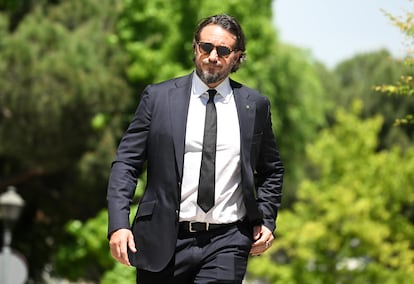
The investigation began after 13 tons of cocaine were seized in the port of Algeciras, uncovering a vast network for legitimizing criminal proceeds. The list of suspects spans a variety of backgrounds: from well-known entrepreneurs to public figures, including Francisco de Bourbon, the youngest son of the late Duke of Seville and a distant relative of former King Juan Carlos I. He was arrested in Marbella after police identified him as one of the key players in a scheme to launder millions of euros generated from drug trafficking.
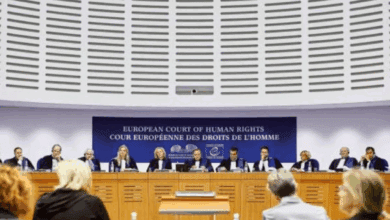
The National Court judge, after reviewing the case materials, authorized de Bourbon’s release on bail of 50,000 euros, confiscated his passport, and barred him from leaving the country. Investigators believe the aristocrat may have used his connections and experience to move large sums of illicit money, including through offshore companies and cryptocurrency. The case files also mention other prominent names—from Russian influencers to jewelry salon owners—further fueling public interest.
Double Life
Outwardly, Francisco de Bourbon was always associated with aristocratic flair, charity work, and high-society events. His biography combines Spanish and German roots, a prestigious education in Madrid and Miami, appearances on American reality shows, and a lavish wedding in Seville. In public, he presented himself as an entrepreneur, investor, and philanthropist, actively supporting Catholic initiatives and leading a knightly order.
However, investigators claim that behind the façade of a successful businessman lay another side. According to police, de Bourbon was connected to companies used to launder proceeds from drug trafficking. Among these were firms registered in Ireland and the African nation of São Tomé and Príncipe, as well as investment structures with offices in California and Marbella. The suspect himself denies involvement with these organizations and maintains his innocence.
Particular attention was drawn to de Bourbon’s connection with the Order of Saint Lazarus, where he holds the title of Grand Master. After his arrest, representatives of other branches of the order publicly challenged his title, adding further controversy to the scandal. The case files mention transfers to the order’s account from individuals suspected of participating in the drug network, heightening suspicions.
Shadows of the Elite
Other notable figures also feature in the case. Among them is a Russian influencer with tens of thousands of followers, showcasing luxury and travel on private jets, as well as the owner of a jewelry salon in Marbella specializing in selling luxury watches to athletes. Police believe these contacts helped disguise the movement of funds and create the appearance of a legitimate business.
Investigators also link de Bourbon to individuals involved in cryptocurrency schemes and offshore operations. Case materials mention companies through which, according to police, millions of euros passed, as well as attempts to pressure the media into retracting negative coverage. Despite public statements about transparency and social responsibility, people in the aristocrat’s circle were suspected of close ties to criminal organizations.
During questioning, Francisco de Bourbon tried to convince the court of his innocence; however, the judge noted persuasive evidence of his involvement in money laundering. Among the evidence are documents confirming his role in transferring funds to Panama. After two days in custody, he was released on bail, but the investigation continues as public attention to the case remains strong.
Context and Parallels
In recent years, Spain has been facing a rise in large-scale cases involving money laundering and the involvement of elite members in criminal schemes. Recent investigations in Malaga and Barcelona have also revealed the participation of prominent entrepreneurs and public figures in legitimizing proceeds from drug trafficking. Police note that today’s criminal organizations increasingly use complex financial instruments, offshore accounts, and cryptocurrency to cover their tracks. Such cases spark significant public outcry and raise questions about transparency and oversight of the activities of influential individuals.