The exposure of a major criminal scheme involving a high-ranking police officer has shaken Valladolid and sparked widespread public outcry. At the heart of the scandal is an inspector tasked with combating drug trafficking, raising questions about transparency and oversight within Spanish law enforcement. The repercussions of this case could impact not only police operations but also public trust in the system as a whole.
Family life and double reality
For years, the family of Marta Sanz and Luis Fernández was seen as a model in the region. Marta, a former flight attendant and now a municipal deputy from Partido Popular, as well as a mother of several children, and Luis, an experienced National Police officer, split their lives between Valladolid and Las Palmas de Gran Canaria. However, behind the façade of well-being was a complex network involving not only family members but also figures from the criminal world.
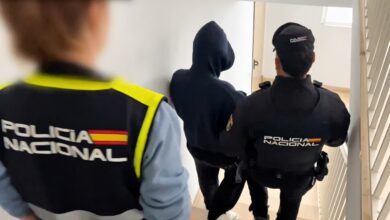
In December of last year, Luis Fernández was arrested along with a group of minor drug dealers and women involved in prostitution. According to El Pais, investigators determined that the inspector used his position to steal confiscated drugs, which were then distributed through trusted associates—Dominican national Roberto de la Rua and María del Enar Santiago. The latter managed a club, a beauty salon, and several apartments where women from Latin America were exploited.
Maria, known as ‘Mami’, managed to evade police during the mass arrests and remains at large. Meanwhile, the investigation revealed that the inspector not only covered for his accomplices but also actively took part in dividing the profits from illegal operations.
How the criminal scheme worked
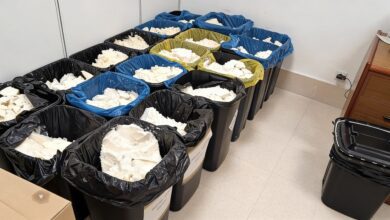
According to El Pais, the scheme operated as follows: drugs seized by police and held under the inspector’s control were given to trusted associates to be further sold in nightclubs and brothels. The profits were split among three main participants. Their confidence in being untouchable allowed the group to attempt the largest cocaine deal ever in Castilla y León—55 kilograms seized in May last year.
Wiretaps and surveillance captured conversations between the inspector and his associates, where they discussed sales details, prices, and ways to cover their tracks. Investigators also determined that some of the drugs were stored in the apartment of one of the participants’ mothers, while official documents about storing and destroying the substances were forged. In one conversation, they even discussed buying weapons to ensure the safety of their deals.
During the searches, inspectors found €130,000 in a safe deposit box, as well as three premium-class cars and several properties. Investigators suspect these assets were acquired through illicit activities. It was also revealed that the inspector often used his official vehicle to transport drugs and his accomplices.
Contacts and Influence
Investigators paid special attention to the inspector’s contacts with madame Maria, who not only managed a network of apartments but also proposed using ‘working Romanians’ to attack competitors. The inspector visited her even in prison, using his official credentials, which highlights the close ties and mutual trust among members of the scheme.
Meanwhile, the group planned to expand its market, including outside Valladolid, and considered entering the capital. However, after failing to sell a large consignment of cocaine and growing suspicions from colleagues, the group’s activities were halted.
According to El Pais, the investigation is ongoing, and the inspector faces charges including participation in a criminal organization, embezzlement, document forgery, and breach of official duties. The case also includes accusations of human trafficking and concealing income.
Consequences and Parallels
The scandal involving the head of the anti-narcotics unit in Valladolid has become one of the most high-profile cases in recent years. Similar incidents have already occurred in other regions of Spain, when law enforcement officials were implicated in criminal schemes. For example, a major operation to detain drug traffickers was recently carried out in Ceuta, among whom was a former member of the Guardia, which also sparked widespread public outcry and discussions about the need for reforming the oversight system — you can read more about this in the article on recent arrests in Ceuta.
In recent years, there has been growing focus in Spain on internal security and the fight against corruption within the police. New investigation methods, the introduction of digital technologies, and tighter controls over drug trafficking have become key areas of reform. However, cases like the one in Valladolid show that the issue demands a comprehensive approach and constant public oversight.
The surge in such cases across different regions of the country highlights the need to review recruitment and vetting practices within law enforcement. Public trust in the police depends directly on the transparency and effectiveness of investigations, as well as the system’s ability to identify and eliminate internal threats.