The Spanish music market is facing challenges that could change the established order. The influence of artificial intelligence on creativity and artists’ incomes is becoming increasingly evident, while the lack of clear regulations is causing concern among many industry participants. Against this backdrop, a meeting was held in Barcelona to discuss copyright protection and the role of musicians in shaping new standards.
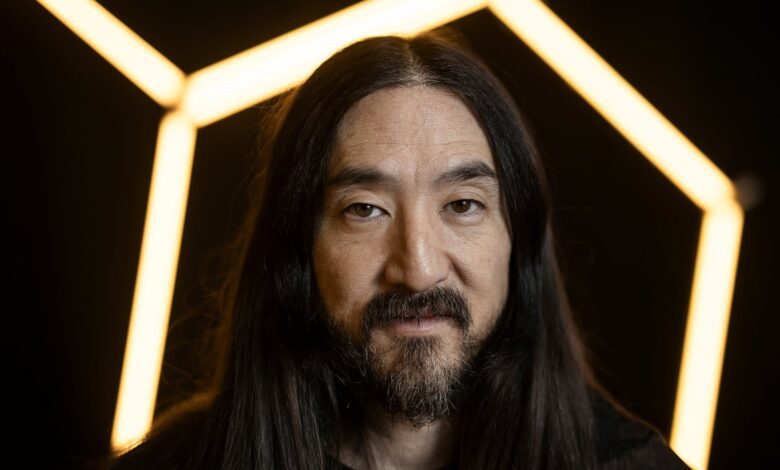
According to El Pais, Steve Aoki, one of the world’s most renowned DJs and electronic music producers, spoke at the opening of Talent Arena during the Mobile World Congress in Barcelona. His stance resonated with many Spanish artists: he insists that musicians must be involved in discussions and decision-making regarding the integration of AI in the music sector. In his view, without transparent rules, artists risk losing control over their own works and earnings.
Rules for AI
The issue of regulating the use of artificial intelligence in music was at the center of the meeting. Steve Aoki suggested introducing a system of digital fingerprints for tracks created with AI, enabling their origins to be traced. He argues that without such identification, works can circulate freely, posing a threat to copyright. Many industry players support the idea of mandatory content labeling so that listeners and platforms know who is behind the creation of the music.
This issue is particularly relevant in Spain: many young performers rely on income from streaming services, and new technologies could deprive them of part of their earnings. Experts believe that if measures are not taken, the situation could get out of control, and artists will lose the ability to influence the terms of use of their work.
Creativity and technology
Steve Aoki compared artificial intelligence to a powerful tool that can assist in music creation but requires careful handling. He noted that AI does not replace the artist’s personal choices and taste but rather expands opportunities for experimentation. However, he said it is important not to lose the individuality and story that make music recognizable and close to listeners.
Spanish musicians point out that digital platforms and social networks have already changed the ways creativity is promoted and monetized. Many artists use streaming as a way to attract audiences to concerts, but for those who do not tour, online listening remains their main source of income. In this context, the issue of fair compensation is becoming increasingly pressing.
The Spanish experience
Steve Aoki recalled that his collaboration with Daddy Yankee and the success of the track Azukita in Spain became an important milestone in his career. He emphasized that the Spanish audience has always supported his experiments and was open to new directions in music. According to El Pais, the artist noted that flexibility and readiness for change set local listeners apart from those in many other countries.
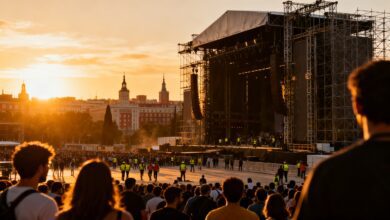
Recalling the tragedy at the Madrid Arena concert in 2012, when five people died as a result of a stampede, Steve Aoki acknowledged that such events leave a deep mark on any artist’s life. He emphasized that safety at mass events must remain a priority for both organizers and performers.
In recent years, Spain has increasingly discussed the regulation of digital content and the protection of authors’ rights. In 2025, several major music festivals have already implemented track origin tracking systems to prevent unauthorized use of AI-generated music. The country has also seen a rise in initiatives supporting young artists facing competition from algorithms and automated platforms. These changes reflect a global trend, as technology calls for new approaches to safeguarding the interests of creative professions.