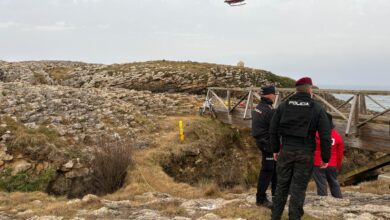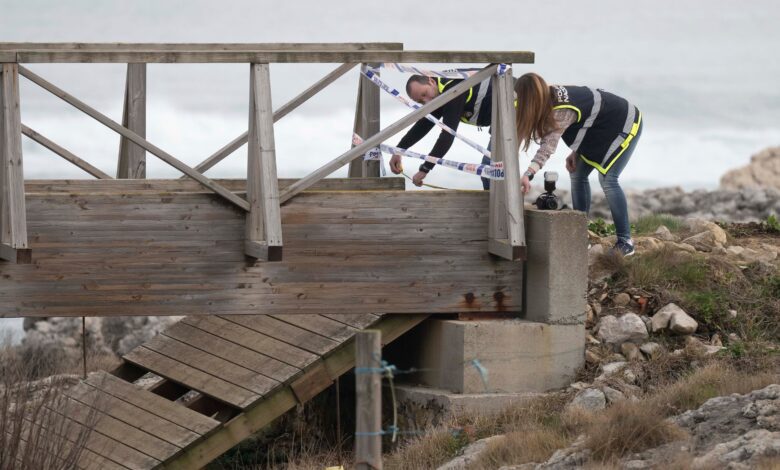
The tragedy on the Santander coast has reignited concerns about the safety of urban infrastructure. After six young people died on a wooden footbridge between the cliffs, public attention turned to who was responsible for monitoring the condition of the hazardous structure. The incident has sparked widespread debate among residents and cast doubt on the effectiveness of cooperation between the municipality and government agencies.
City authorities and representatives of the central government have not reached a consensus on who is accountable for the collapsed structure. The municipality maintains that the responsibility for maintaining the coastal path lies with the Costas department, since it initiated the project and oversaw construction. Meanwhile, officials from the Ministry for the Ecological Transition insist that the project was coordinated with the city back in 2003, which means the liability should be shared. As reported by El Pais, neither side is willing to accept blame for the incident.
Dispute over responsibility
Construction of the coastal walkway began in 2014, but work was halted due to protests from local residents. City authorities had promised to take over the site after the project’s completion, but according to them, no official notification of its handover has been received. At the site of the tragedy, signs of corrosion and rust were found around the fastenings, indicating a lack of regular maintenance. The judicial investigation has requested both administrations to provide full project documentation.
Santander has long debated the issue of abandoned sites and inadequate maintenance of public property, especially along the coast. Examples include deserted premises beneath the Rhin restaurant, the Saera dune near the Gamazo port, and old ships on the Magdalena peninsula. In the wake of the tragedy, Mayor Gema Igual announced plans for a special map showing which authority is responsible for each section of infrastructure. She also acknowledged that police had not closed the hazardous footbridge but emphasized that responsibility for it lies with Costas.
Public response and history of the conflict
Local activists and former leaders of community movements point out that the coastal trail project was controversial from the start. In their view, the route passed through difficult and dangerous sections, and the wooden railings only increased the risk. A group of residents repeatedly demanded the removal of the hazardous footbridge, considering it one of the most problematic points along the entire route. In 2016, the Costas agency even prepared a project to dismantle the structure, but it was never implemented.
Secretary for the Environment Hugo Morán called for waiting for the results of the investigation, noting that it is impossible to assign blame without determining the cause of the collapse. He emphasized that citizen safety is the responsibility of authorities at all three levels. Meanwhile, journalists and experts observe that throughout the project’s existence, the city government has shown little initiative in addressing the issue, despite having conflicts with the state over other sites.
Coastline and new challenges
The northern part of Santander, where the tragedy occurred, remained little-known for a long time and maintained its traditional character. Livestock is still raised here, grapes are cultivated, and seaweed is harvested for cosmetics. In recent years, the area has become popular among tourists and new residents, and local authorities are actively promoting it as part of the Costa Quebrada geopark, which was recognized in 2025 for its unique natural formations.
However, the growing interest in the coastline was not matched by adequate attention to safety and infrastructure maintenance. According to El Pais, the lack of a clear management and oversight system for coastal facilities led many of them to fall into disrepair. The situation with the footbridge in El Bocal became the most tragic example of this issue.
In recent years, Spain has seen repeated accidents involving urban infrastructure, often linked to insufficient maintenance and blurred lines of responsibility between agencies. In 2024, a bridge collapsed in Galicia, sparking a dispute between the municipality and regional authorities. In Catalonia, there were incidents on tourist routes where it was unclear who was responsible for safety. These cases highlight the need for clear assignment of responsibilities and regular oversight of public facilities.