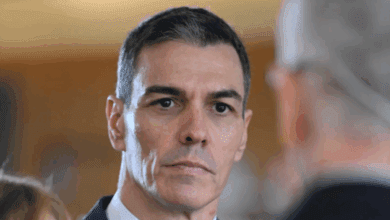
Madrid’s economy is directly dependent on foreign investment, and every new contract with a major company can change the region’s landscape. Against the backdrop of political disagreements between Spain and the United States, another visit by Isabel Díaz Ayuso to New York takes on added significance for the capital’s residents. As relations between Pedro Sánchez and Donald Trump remain strained due to events in the Middle East, any steps to strengthen ties with American businesses could prove crucial for the region’s future.
Meetings and negotiations
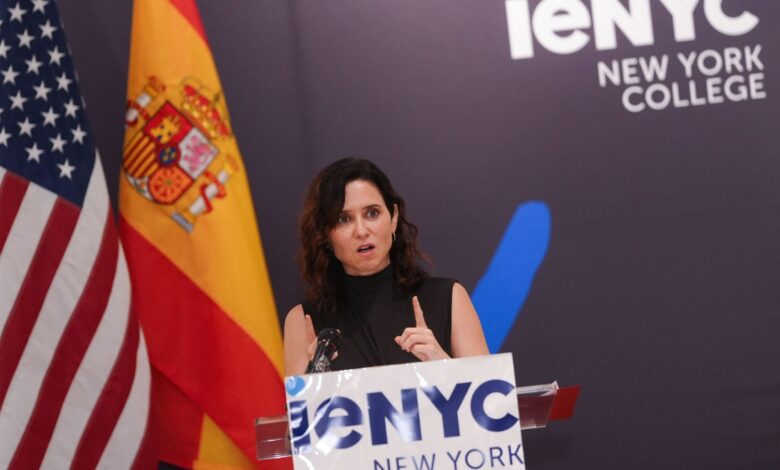
According to El confidencial, this is Ayuso’s second trip to the United States in just five months. This time, she plans to spend three days in New York, where negotiations are scheduled with representatives from nearly one hundred companies, investment funds, and startups. The delegation also includes members of the Cámara de Comercio España-EEUU. Among the key events are talks with the CEO of PayPal and the leadership of Apollo Global Management, who recently became the largest shareholders of Atlético de Madrid through ASC.
Ayuso is betting on strengthening ties with American investors, especially in the fields of technology and finance. El confidencial reports that preparations for the visit took several months, despite political tensions between Madrid and Washington. Regional authorities view the US as a strategic partner, and the visit is meant to demonstrate Madrid’s openness to new projects and investments.
Cultural program and awards
During her trip, Ayuso will attend the XXV Festival de Flamenco de Nueva York, featuring a performance by Sara Baras. She will also participate in the annual gala of the newspaper The Algemeiner, where she will receive an award for her contribution to defending freedom and supporting the Jewish community. Such events help not only to strengthen business ties, but also to shape a positive image of the region on the international stage.
This marks Ayuso’s sixth visit to the United States since 2021. Previously, she has traveled to New York, Washington, Miami, and Texas. In June 2025, the regional leader, together with rectors of Madrid universities, studied the American education model as part of the university funding reform. According to RUSSPAIN.COM, such trips often spark discussion in Spanish society, especially when major investments and changes in the education sector are involved.
Political context
Despite deteriorating relations between the Spanish government and the Trump administration, Madrid’s regional authorities continue to pursue an international agenda. Ayuso has repeatedly criticized the risks associated with a potential break in trade relations between the two countries. She emphasizes that Madrid cannot afford to lose the trust of its American partners, especially as the United States remains the region’s largest investor—with investments exceeding 28.3 billion euros since 2019, accounting for almost a quarter of all foreign investments.
At the same time, as El confidencial reports, political differences do not prevent Ayuso from actively promoting Madrid’s interests abroad. Regional authorities believe that strengthening ties with the US will not only attract new funds but also enhance Madrid’s status on the global stage. In this context, it is important to remember that any changes in relations between countries can directly impact the region’s economy.
Context and related events
In recent years, Spanish regions have increasingly stepped into the international arena to attract investment and establish cooperation with foreign companies. For example, after the railway tragedy in Córdoba, when authorities faced a wave of complaints and investigations, attention to safety issues and infrastructure investment surged dramatically. This was covered in detail in the report on the railway catastrophe investigation and the response of local residents in the publication about complaints after the railway tragedy in Córdoba. Such events demonstrate how crucial not only economic but also social initiatives are for the regions, as well as support from international partners. In a climate of global competition, every successful visit and new agreement can prove decisive for the region’s future.