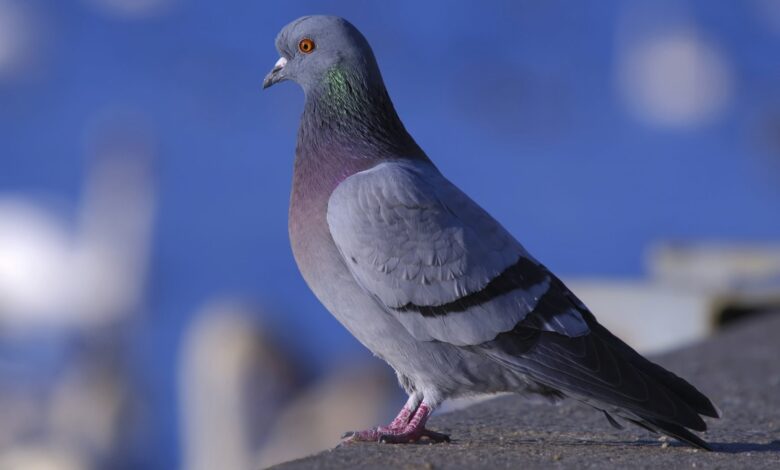
In recent years, farmers in the Balearic Islands have faced a serious problem: the population of wild pigeons (paloma torcaz) has increased sharply, negatively impacting the region’s agriculture. The birds gather in large flocks on the fields, destroying cereal crops, vineyards, and olive groves. Traditional scare tactics are no longer effective, and the birds’ return to feeding grounds has become a constant headache for local farmers.
The situation has worsened since last summer. In July 2024, Ibiza declared a special pigeon hunting regime for the second year in a row. The decision was driven not only by farmers’ economic losses but also by a rise in bird strikes at the airport. This week, the authorities in Formentera extended the legal hunting season to reduce the pigeon population. Around 2,000 birds are expected to be culled during this period. Similar measures have been adopted in Mallorca, which also announced an emergency hunting regime and opened an additional hunting season for the second consecutive year.
According to local officials, pigeons have become a real scourge for agriculture. They eat almost any crop and reproduce quickly, making population control difficult. Since May 2024, special measures to protect harvests have been in place on the islands, but the situation remains complex and no medium-term solutions have yet been found.
Experts note that pigeons traditionally lived in forests, but since the late 20th century, they have actively adapted to cities and suburbs. In urban areas, the birds find plenty of food and water, which helps them reproduce rapidly. Additionally, pigeons have a long breeding season and a high adaptability to new environments. These factors have led to a sharp increase in their population and the expansion into new territories, including populated areas.
Another reason for the population growth is the unique features of the island ecosystem. The Balearic Islands have few natural predators for pigeons, such as birds of prey, and the dry climate produces dry grain, which is especially attractive to these birds. As a result, pigeons have stopped being seasonal visitors and now remain on the islands year-round.
Due to the widespread presence of pigeons, their importance as a game species has declined, while damage to agriculture continues to rise. Farmers point out that the problem only became noticeable to the wider public once the birds started appearing in coastal areas, even though they have been causing damage to the fields for many years.
Authorities and experts are still searching for effective ways to control the pigeon population to protect crops and reduce risks to infrastructure. However, the main measure so far remains extending the hunting seasons and introducing temporary restrictions on bird movement near agricultural lands.