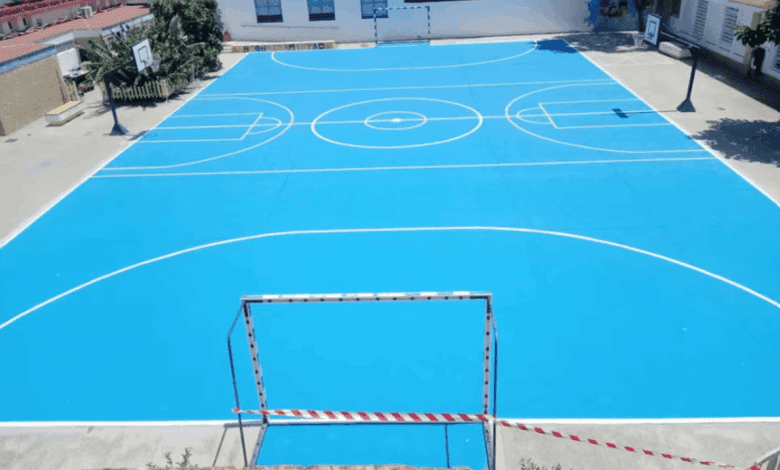
The future of schoolyards in Ibiza has unexpectedly become a focal point of public attention. The municipality of Sant Antoni is considering a proposal to completely eliminate football fields from schools. Instead of traditional sports grounds, the plan is to create green zones filled with trees, water features, and shaded areas. According to the initiators, this step should not only change the atmosphere during school breaks, but also respond to growing climate challenges.
Supporters of the changes argue that the traditional layout of schoolyards allocates space unfairly among children. Football fields typically take up most of the area and become a magnet for boys, while girls are often left on the sidelines. The new concept promises to make schoolyards more inclusive and safer for everyone, as well as reduce conflicts among students.
Supporters’ arguments
The initiative put forward by Unidas Podemos representatives is based on the idea of equality and concern for children’s health. According to a municipal councilor, the current organization of the space reinforces inequality and limits opportunities for shared play. The proposal calls for replacing concrete surfaces with natural materials, planting more trees, and setting up water areas so children can escape the heat and spend more time outdoors.
Special attention is being given to the creation of so-called “climate shelters”—spaces where children can rest and play even during extreme temperatures. The authors of the initiative believe these changes will not only improve the microclimate but also reduce aggression and conflicts related to football matches during school breaks.
Criticism and disagreements
However, not everyone agrees with this approach. Representatives of the ruling party at the local level have opposed the football ban, insisting that sports play a key role in children’s upbringing and socialization. In their view, all forms of physical activity should be encouraged, not restricted. They also emphasize that girls can and should participate in football games alongside boys.
The discussion also featured sharper statements. Some participants in the debate called football a “toxic” sport, allegedly provoking conflicts and aggressive behavior among schoolchildren. As an example, they cited cases of fights and arguments on football fields, claiming that other sports do not cause similar problems.
Public reaction
The public debate has gone far beyond the municipal council. Renowned athletes and commentators have also weighed in on the initiative. A former goalkeeper for the national team and popular Spanish clubs remarked that conflicts arise more often in politics than on the football field. He pointed out the rapid growth of women’s football in the country and emphasized that today’s girls are actively engaged in sports.
At the same time, critics of the initiative believe that banning football will not address the more serious problems children face at school. They mention issues such as cyberbullying, harassment, rising obesity rates, and an increase in autism diagnoses. In their view, authorities should focus on these concerns rather than on restricting sports activities.
Context and consequences
The debate about schoolyards in Ibiza reflects a broader trend in Spanish society. In recent years, various regions of the country have increasingly raised the need to create inclusive and safe spaces for children. Some schools are already experimenting with moving away from traditional sports fields in favor of green areas and playgrounds designed for socializing without a competitive spirit.
Such initiatives provoke mixed reactions: some see them as a step toward a fairer and healthier future, while others fear that abandoning traditional sports will lead to less physical activity and a loss of team spirit. In any case, discussions about these changes are becoming increasingly relevant given climate change and the new challenges facing the education system.
In recent years, Spain has repeatedly debated the organization of schoolyards and the role of sports in children’s lives. Some autonomous communities have already tried to redesign school grounds to make them greener and more versatile. Projects to create ‘climate shelters’ to protect children from the heat have been discussed in Madrid and Barcelona. Meanwhile, in Andalucía and Valencia, parents and teachers have opposed restrictions on traditional games, considering them an important part of upbringing. These debates highlight how sharply Spanish society is addressing the need to balance innovation with the preservation of familiar values.