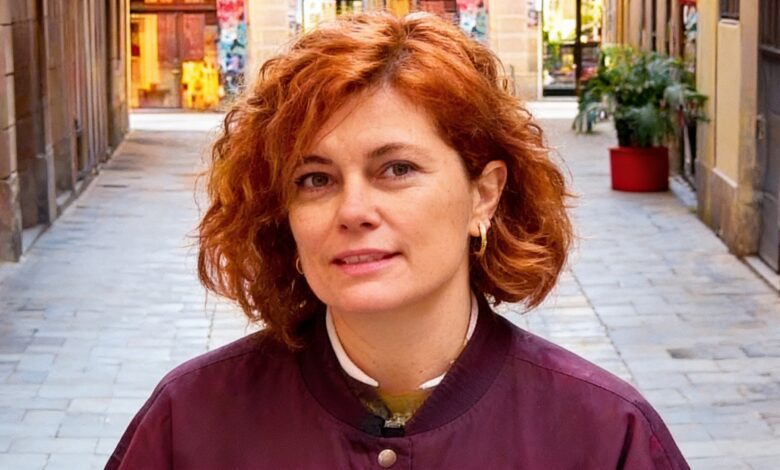
A new political conflict has erupted in Barcelona, one that could impact the future of city commerce and attitudes toward migration. The ERC mayoral candidate, Elisenda Alamany, used the term ‘gran reemplazo’ in her campaign to highlight the disappearance of traditional shops and historic sites. Her statement sparked a wave of criticism and debate among politicians and the public, as the term is often associated with far-right theories of demographic replacement.
As reported by El Pais, Alamany appeared in her campaign video in front of a 24-hour supermarket and called for a halt on issuing new licenses for stores targeting tourists, including 24-hour supermarkets and souvenir shops. She stated that such establishments displace traditional businesses and erode Barcelona’s unique character. Alamany emphasized that she uses ‘gran reemplazo’ strictly in the context of city commerce, not demography, but the response to her words was mixed.
Political response
The use of a term previously promoted by far-right party members drew sharp criticism from left-wing politicians. Former ERC deputy Ruben Wagensberg and CUP deputy Laure Vega publicly condemned Alamany for her choice of words and the video’s location. They pointed out that such rhetoric could fuel xenophobic sentiment and play into the hands of right-wing opponents. The criticism was especially pointed because the video was filmed outside a shop where migrants work, a group often affected by deportation policies.
At the same time, some city residents supported the initiative to restrict new licenses for tourist shops, believing it would help preserve neighborhood authenticity and support local business owners. However, the term “gran reemplazo” remains controversial, as its origin is linked to the French essayist Renaud Camus and replacement theories about European populations with migrants, which are actively promoted by parties like Vox and Aliança Catalana.
Impact on city policy agenda
The debate around Alamany’s statement coincided with growing concerns among Barcelona’s residents about changes to the urban environment. According to El Pais and the latest survey by the Centre d’Estudis d’Opinió, migration remains one of the main issues for Catalans, second only to economic matters. The decision to suspend the issuance of new licenses for shops targeting tourists could become a key point in ERC’s campaign platform and influence the outcome of the municipal elections.
As the city faces an influx of tourists and a rise in 24-hour shops, many residents fear the loss of local character and the disappearance of family-run businesses. At the same time, some experts believe such measures could lead to job cuts and reduced access to goods for the population.
Context and consequences
According to El Pais, the use of controversial terms in political rhetoric is becoming increasingly common in Spain. In recent years, similar debates have erupted in Madrid and Valencia, where local authorities have also tried to restrict the growth of tourist infrastructure and protect traditional shops. In some cases, this has led to a temporary suspension of license issuance and tighter rules for new retail outlets.
Overall, the situation in Barcelona reflects a broader trend: cities across Spain are seeking a balance between tourism development, supporting local businesses, and preserving cultural identity. Such disputes often fuel heated debates, and government decisions have a direct impact on daily life and regional economies.
In recent years, Spain has repeatedly debated regulations on commerce and the protection of historic districts. For example, in 2024, authorities in Seville and Malaga introduced restrictions on opening new tourist shops to preserve the traditional character of the streets. In Madrid, efforts were made to support family-owned stores through subsidies and special programs. These measures sparked both support and protests, highlighting the challenge of finding a compromise between the interests of businesses, residents, and tourists.