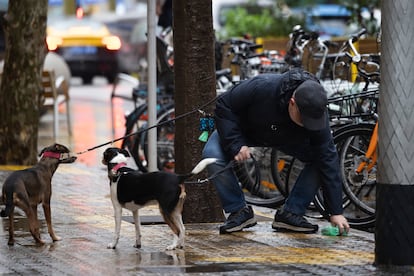
New rules are coming into force in Barcelona, directly affecting the daily life of residents and visitors. Starting February 15, dog owners are required to rinse with water the places where their pets relieve themselves. Failure to comply with this requirement now carries a fine of up to 300 euros. The measure aims to improve street sanitation and protect city property, which is especially relevant in a densely populated metropolis with a large number of pets.
City authorities launched a large-scale information campaign to alert residents about these changes. Instructors and volunteers explained the new rules on streets and squares, emphasizing the importance of collective compliance to maintain order. Officials note that the updated ordinance targets actions that most often prompt complaints and erode urban quality of life.
Fines and new restrictions
One of the main changes is tougher penalties for not cleaning up after dogs. The only exception is made for service animals. Authorities stress that only water may be used for rinsing—no soap, bleach, or vinegar is allowed. Violating this rule is considered a serious offense.
Fines for failing to promptly clean up after pets have also increased. Pet owners who do not pick up after their animals or dispose of waste improperly now face substantial penalties. Special attention is given to the cleanliness of public spaces frequently visited by dogs and cats.
In addition, fines for drinking alcohol on the street have gone up, especially in the presence of minors or in neighborhoods with night-time restrictions. Taking part in so-called ‘botellón’ parties can now result in fines ranging from 100 to 600 euros, while organized alcohol tours for tourists can lead to fines of up to 3,000 euros.
Behavioral regulations tightened
Authorities have stepped up monitoring of public behavior. Urinating in prohibited places, particularly in narrow streets, nightlife areas or near public restrooms, now carries a fine of up to 750 euros. For graffiti and unauthorized markings, violators will not only have to pay a fine, but also cover the costs of cleaning and repairing the damage.
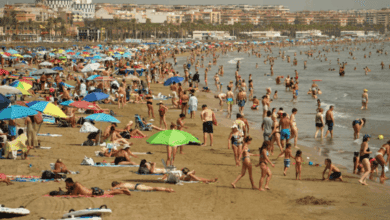
Restrictions have been introduced on displaying clothing or items with sexual overtones, as well as appearing shirtless on the street outside beaches or sports facilities. Such actions are punishable by fines of up to 300 euros. For insults, public masturbation or other forms of obscene behavior, the fine can reach 600 euros.
To ensure the effective enforcement of the new rules, the municipality has tasked the city police with issuing fines to tourists and non-residents on the spot, especially in cases of serious violations. This is expected to reduce impunity among visitors, as previously a significant portion of fines remained unpaid.
Urban environment under control
The introduction of new measures in Barcelona reflects a broader trend toward tightening order in Spanish cities. Authorities aim not only to improve cleanliness but also to create conditions for comfortable coexistence between residents and tourists. Similar initiatives have already sparked debates in other regions of the country. For example, in Valencia, a recent conflict erupted between city hall and the political movement Compromís over fines for street campaigns, which was examined in detail in the article on fines for urban campaigns and their impact on public spaces.
In recent years, Spanish cities have been increasingly adopting strict measures to maintain order on the streets. In Madrid and Seville, restrictions were introduced on drinking alcohol and appearing shirtless outside of beaches. In some areas of Catalonia, control over walking pets and cleaning up after them has tightened. These steps spark heated debates among residents, but authorities insist: only decisive action can preserve cleanliness and comfort amid growing tourism and dense urban developments.