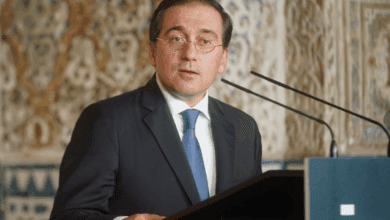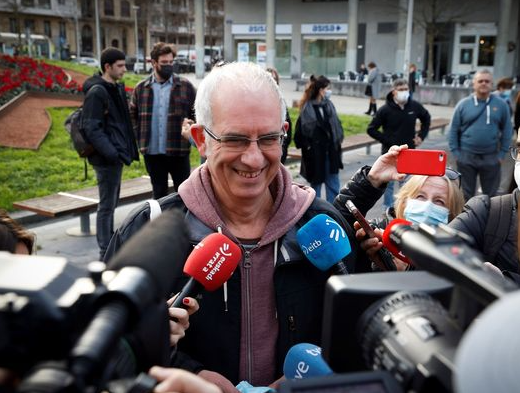
The Basque Country is once again debating sensitive issues of ethics and historical memory. The reason is a new literary project on the radio, hosted by a figure with a highly controversial background. This refers to Mikel Albisu, better known as Mikel Antza, who formerly held leadership positions in ETA. He is now the presenter of a weekly program dedicated to Basque literature.
The program airs on Bizkaia Irratia and is supported by the writers’ association Euskal Idazleen Elkartea. In 2025, €53,000 has been allocated from the Biscay provincial budget for this cultural project. According to official subsidy documents, these funds are distributed between two radio programs.
However, not everyone in the region finds this decision acceptable. An organization representing victims of terrorism has sharply opposed the involvement of a former ETA political leader in cultural life and the fact that public funds are allocated for this purpose. According to representatives of the organization, Antza’s participation in such projects appears to portray him solely as an intellectual, without addressing his past or requiring any public reflection or remorse.
Particular outrage stems from the fact that Mikel Antza has made no public statements condemning his former actions or expressing sympathy for the victims. Nevertheless, he remains actively involved in cultural initiatives, including leading a book club in the municipality of Elorrio for the new 2025-2026 season.
The leadership of the terrorism victims’ organization is demanding that the authorities of Biscay and other involved bodies immediately stop funding the project and withdraw all allocated funds. In their view, such a situation undermines trust in institutions and causes moral harm to those affected by ETA’s actions. They believe that allowing former leaders of terrorist organizations to participate in public life without a critical assessment of their past is a serious ethical issue for society as a whole.
The question of whether former radicals should be allowed to participate in cultural projects has once again sparked heated debate in the region. Public opinion is divided: some believe everyone deserves a second chance, while others are convinced that without a public acknowledgment of wrongdoing and repentance, former radicals should not be allowed to engage in public activities. The authorities have yet to make a clear decision regarding this project.