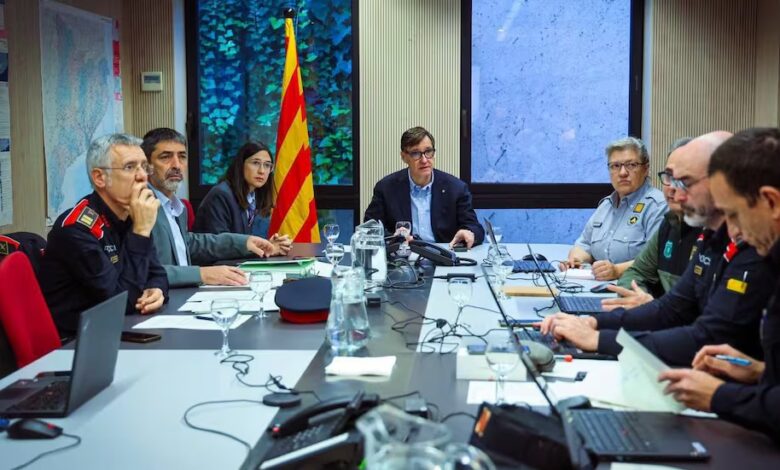
Catalonia has launched a large-scale inspection of all laboratories working with the African swine fever virus. The move comes amid suspicions that the infection may have escaped from one of the state research centers in Barcelona. Regional authorities are not ruling out any possible sources of the outbreak, but so far have neither confirmed nor denied the involvement of any specific institution.
The head of the regional government, Salvador Illa, has ordered an audit of all laboratories working with this dangerous pathogen. Special attention is being paid to compliance with safety protocols and current measures to prevent the spread of the virus. According to Illa, there are no more than five such centers under scrutiny, and the inspection is expected to be as swift and transparent as possible.
Investigation and measures
Alongside the internal inquiry, police from Mossos d’Esquadra and the Guardia Civil have joined the investigation. Their task is to determine exactly how the virus left the laboratory and triggered infections among wild animals in the Collserola natural park. The Animal Health Research Center (CReSA), part of IRTA, is considered a key facility in this case.
So far, 13 cases of infection have been confirmed among wild boars. The virus has not yet reached any farms—there are 55 agricultural holdings within the 20-kilometer safety zone established around the outbreak, and none have been affected. Authorities emphasize that the situation is under control and all measures are focused on preventing further spread of the infection.
Restrictions and support
On Friday evening, an agreement was reached with representatives of the livestock sector: around 80,000 pigs from the at-risk area will be culled. The meat from these animals will be supplied exclusively to the domestic Spanish market; all exports are suspended. Authorities insist there is no danger to consumers—the virus poses no threat to humans.
To support farmers, the Catalan government is preparing a special financial aid program. It will be directly linked to preserving jobs in the sector. In the coming days, additional support measures are expected to be introduced to minimize economic losses for agricultural producers.
Control and safety
Large-scale deployments of police, firefighters, and civil protection services are operating in the affected area. In total, about one thousand people are involved. They are safeguarding the natural zones where the outbreak was detected and ensuring that no one enters the restricted area during the holidays. Control measures include both stationary and mobile checkpoints, covering 91 municipalities.
Special attention is paid to preventing the spread of the virus via footwear, bicycle tires, and other possible carriers. Within a 6-kilometer radius around the outbreak, the strictest restrictions are in place, while heightened monitoring is enforced beyond that zone. According to police representatives, residents are showing responsibility and almost no violations of the measures have been recorded.
If you didn’t know, IRTA (Institut de Recerca i Tecnologia Agroalimentàries) is Catalonia’s leading research institute in the agri-food sector. It includes the Animal Health Research Center (CReSA), considered one of Spain’s foremost laboratory centers for the study of animal viral diseases. IRTA works closely with the Autonomous University of Barcelona and plays a key role in developing measures to combat epidemics among livestock.