In Catalonia, another round of budget discussions has become a turning point for everyone who relies on the stability of government decisions. The timely approval of the budget determines the operation of hospitals, schools, and other essential sectors. Delays in adopting financial plans have already affected quality of life and trust in authorities for several years.
A History of Instability
Since 2010, the Catalan government has rarely started the new year with an approved budget. Only in 2022, when Jaume Giró was in charge of the economy, did the budget take effect from the first of January. In other years, the process was marked by delays, rejections, or even a lack of attempts to submit a proposal to parliament. The reason: political instability fueled by internal conflicts and the ongoing struggle for independence.
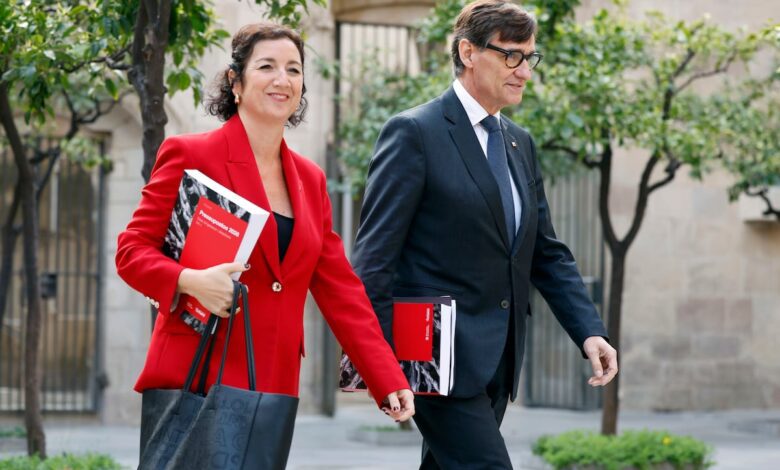
Recent events show that the situation has not changed. The new budget proposal presented by Salvador Illa’s cabinet is once again in the spotlight. Despite promises of record investments, the document’s fate remains uncertain. The main intrigue lies in the stance of Esquerra Republicana (ERC), which is closely watching the central government’s actions regarding the transfer of part of Catalonia’s tax revenues.
Political Maneuvering
Unlike in previous years, when negotiations often ended in fierce confrontation, society now shows a greater demand for compromise. Many recall how in 2023 the socialists supported Pere Aragonès’s budget, preventing a crisis. Currently, ERC supports several initiatives in Barcelona but is in no hurry to approve a new budget for the autonomous region.
Within ERC itself, there is no consensus on whether to block the latest financial plan. The discussion centers on tax transfers, infrastructure projects, and the possibility of early elections. However, substantial debate about the budget’s contents—such as whether €1.9 billion is enough for housing or if there is a need to raise salaries for doctors and teachers—remains secondary for now.
Impact on residents
While the parties argue, the people of Catalonia are feeling the effects of prolonged stalemate. Many point out that the quality of public services does not match the level of taxation. Expectations for new investments are high, but without clear discussion of priorities and open dialogue on resource distribution, change is not happening.
In this context, it is especially important that the budget debate does not turn into a new political game. As El Pais reports, what’s at stake is not just the parties’ interests, but the future of key areas of regional life. Recently, the Spanish authorities pledged to disclose details of historical events and change their approach to legislation, a subject thoroughly examined in the article on the secret 23-F documents, it becomes clear: openness and honest discussion of the numbers can change society’s attitude toward the authorities.
Context and consequences
In the coming weeks, it will become clear whether the parties can reach an agreement and adopt a budget that truly improves life in Catalonia. For now, uncertainty remains, and residents await concrete decisions. It is important that the discussion goes beyond strategy and addresses the real needs of the people.
In recent years, delays in passing budgets have become common not only in Catalonia, but also in other regions of Spain. For example, Madrid and Valencia have also faced disputes over the allocation of funds for healthcare and education. Often, disagreements between parties and demands to redistribute taxes were the cause. Such situations led to provisional budgets and cuts in investment for key sectors. As a result, many projects were postponed, and residents experienced declining quality of services. These examples highlight the importance of timely discussions and approval of financial plans to avoid new crises and increase public trust.