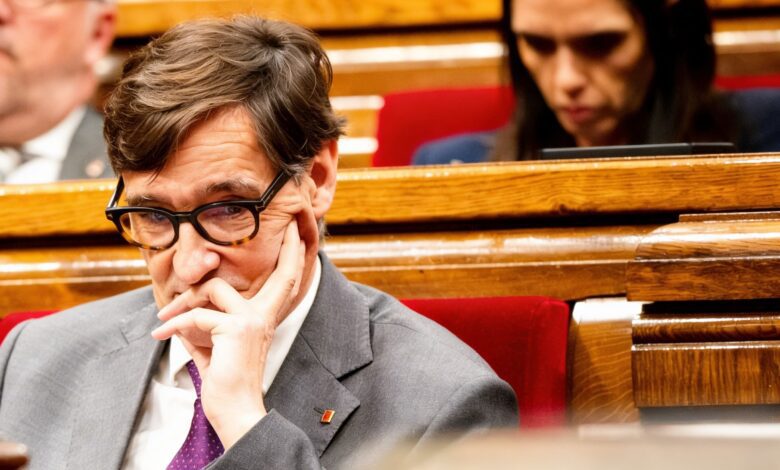
The decision to postpone the budget vote in Catalonia was an unexpected move that could shift the political balance in the region. For residents, this means key financial decisions are delayed, and uncertainty over future spending remains. As noted by El Pais, the budget situation has sparked intense debate among the main political forces.
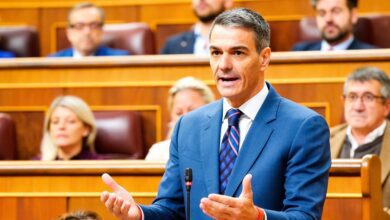
During a parliamentary session, the president of Catalonia, Salvador Illa, explained that the budget proposal was withdrawn due to the need for further negotiations with ERC. This step helped avoid an immediate defeat in the vote, which could have been the first major setback for the new government. According to El Pais, both sides agreed to give themselves additional time to find a compromise, especially on the issue of transferring powers related to the IRPF tax.
Political disagreements
Illa’s decision drew a sharp response from the opposition. Representatives of Junts called the situation a failure and accused the president of inefficiency. In their view, abandoning the budget vote just 20 days after its submission signals instability and a lack of confidence in the government’s actions. At the same time, representatives of Comuns acknowledged that the situation is far from ideal, but emphasized that the compromise with ERC and Illa helped avoid a complete shutdown of the government’s work.
ERC, in turn, insists that their demands are not an ultimatum but reflect the need to advance national and social autonomy. They reminded that their support for Illa in the elections was conditioned on these requirements. In response to criticism, Illa emphasized that he is willing to work until the last moment to reach an agreement and maintain stability.
Impact on the region
The decision not to immediately vote on the budget has not gone unnoticed in the daily life of the region. In parliament, the government was accused of delaying the budget approval process, which negatively affects teachers, doctors, and other public sector workers. Some opposition deputies argued that the situation is fueling public protests and increasing pressure on state employees.
In response to these accusations, Illa recalled that the opposition had earlier predicted the impossibility of forming a government and reaching a financial agreement, but these forecasts did not come true. He expressed confidence that the budget will eventually be approved, and the agreements reached will ensure the functioning of key sectors.
Reaction of other parties
The stance of other political forces proved less clear-cut. Representatives of the PP as well as the far-right parties Vox and Aliança Catalana chose not to discuss the postponement of the budget itself, instead focusing on other issues such as Islamism and property disputes. PP leader Alejandro Fernández tried to link Salvador Illa to corruption scandals but failed to provide concrete evidence. In response, Illa called for politics not to be used as a tool to discredit opponents.
Overall, the situation surrounding the budget in Catalonia illustrates how complex and contradictory party negotiations can remain even after a government has been formed. According to El Pais, parties are still seeking compromise to avoid new elections and secure stability in the region.
In recent years, Catalonia has repeatedly encountered difficulties passing the budget. In 2023, a similar situation led to lengthy negotiations and the threat of snap elections. A last-minute compromise then averted a political crisis. Such scenarios have become more frequent, reflecting deep divisions among parties and the growing importance of autonomy and financial management issues for the region.