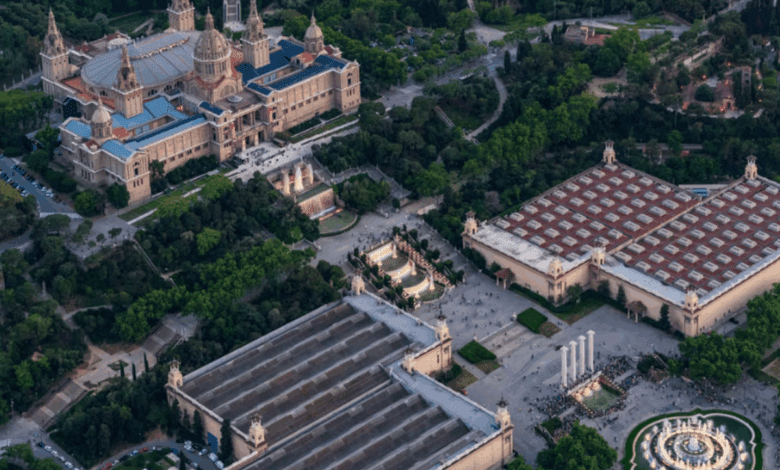
In 2026, Catalonia is focusing on modernizing its cultural infrastructure: for the first time, all state museums in the region will have access to a single, modern storage facility for their collections. This initiative aims to address the longstanding issue of limited space and optimize maintenance costs for museum holdings. According to El Pais, the project has been named Reservas Nacionales Mancomunadas and is already included in the autonomy government’s budget plans.
The Catalan authorities have allocated 75 million euros for the construction and equipping of the new storage facility. The plan is to house it in a spacious industrial building, conveniently located for all museums in the region. The issue of storage is especially pressing for major institutions in Barcelona — such as MNAC, Macba, and Museu de Ciencias Naturales — but smaller municipal museums have also long suffered from a lack of space. The new approach will centralize storage, reduce costs, and improve the preservation of artifacts, as has already been proven by experience in the UK and the Netherlands.
Increase in cultural funding
Catalonia’s culture budget in 2026 will reach 524 million euros, an increase of 118 million compared to the last approved amount in 2023. This is nearly a third higher than previous figures. The share of cultural spending in the overall government budget has risen to 1.7%, approaching the target of 2%. According to El Pais, authorities plan to maintain this growth in the coming years.
The expenditure structure emphasizes not only the construction of a new warehouse, but also other major projects: the expansion of the Museu Nacional d’Art de Catalunya (MNAC), the creation of a digital culture center at La Foneria, and the launch of Casa de les Lletres. These initiatives have been allocated 119 million euros. Funding is also set aside to support digital and audiovisual projects, as well as to foster artistic creativity.
Record spending and political complexity
Catalonia’s total budget for 2026 will reach 49.162 billion euros—a historic high and a 10.3% increase over the previous year. However, the budget’s approval remains uncertain: the ERC party, whose support is crucial for the document’s passage, has proposed an amendment calling for its complete rejection. Despite this, the government hopes to reach an agreement and implement all planned initiatives.
The Ministry of Culture notes that the new storage system will not only address space shortages, but also boost the efficiency of museum operations. The centralized approach to collection storage has already proven effective in several European countries, and Catalonia now aims to implement this model locally.
Changes in the university sector
Alongside cultural initiatives, Catalonia is increasing funding for universities and research centers. In 2026, €1.873 billion will be allocated for these purposes, which is 17% more than in 2023. Including additional revenues, the total reaches €1.95 billion. Most of these funds are directed towards maintaining existing programs, including reducing tuition fees and extending scholarship periods for graduate students.
For the first time in several years, the basic funding for public universities is rising—it will reach €1.14 billion, which is €140 million more than before. However, this amount still falls short of what university rectors consider necessary. An additional €12.5 million is set aside for the renovation and upgrading of university campuses, but the implementation of these plans depends on the final approval of the budget.
Context and similar initiatives
In recent years, Spain and other European countries have seen a growing number of initiatives to consolidate museum collections and establish centralized storage facilities. For example, similar depots are already operating in Madrid and London, allowing museums to cut costs and enhance the security of their collections. In Catalonia, options to expand individual museums had been previously discussed, but the decision to create a unified center has only just been made. In the university sector, similar efforts are underway in Valencia and Andalusia, where funding is also being increased and infrastructure upgraded. These steps reflect a broader trend toward the modernization of Spain’s cultural and educational environment.