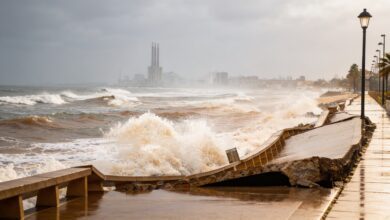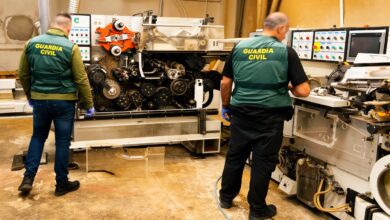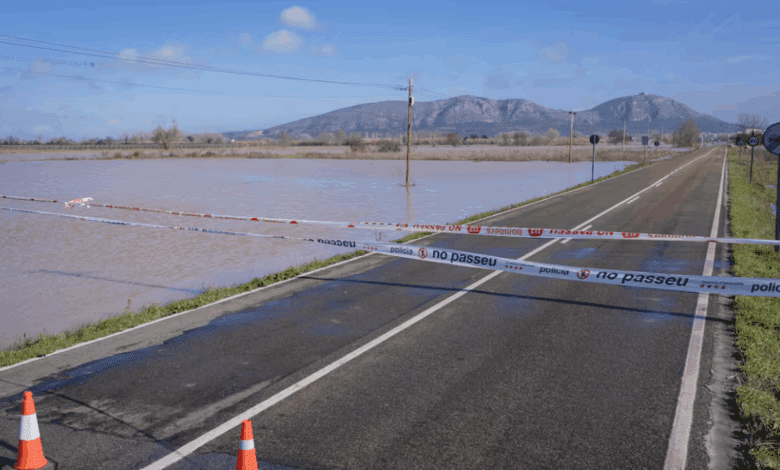
Catalonia has just endured some of the most difficult days in recent years as a powerful storm, named Harry, dramatically disrupted life across the region. Torrential rains and gale-force winds hit northern areas, especially Girona and the coastal zones of Barcelona. In some towns, over 200 liters of rain per square meter fell in just 24 hours, leading to widespread flooding and river overflows. Many roads were submerged, and some villages were completely cut off from the outside world.
In Banyoles, the lake overflowed, while the Ter and Daró rivers flooded nearby fields and settlements. In places like Fontanilles, Palau-sator, and Serra de Daró, residents found themselves trapped—roads were washed out and farmland turned into a vast swamp. Beaches along the coast from Empúries to Sant Antoni de Calonge, and even areas near Barcelona, lost much of their sand, with some stretches vanishing entirely under the waves.
Tragic aftermath
The disaster claimed lives. Two people died: a 63-year-old man drowned while trying to cross a flooded river in Palau-Sator, and a train operator was killed when a wall collapsed onto his train near Gelida. Rescuers worked at full capacity: firefighters pulled more than twenty people from the water and flooded vehicles after they attempted to cross dangerous areas. Despite this, major destruction of residential buildings was avoided, but the transport infrastructure suffered significant damage.
Some roads remain impassable, suburban and intercity train services have been suspended, and the AP-7 highway between Martorell and Sant Sadurní is completely closed. Authorities were forced to shut down schools, shops, and even medical centers in Girona, and court hearings have been postponed indefinitely.
Rescue operations
The emergency line 112 received more than two thousand calls in 24 hours, and firefighters responded to around 1,300 incidents, mostly in Girona and the surrounding areas. Waves at Cape Begur reached nearly 12 meters, flooding restaurants and streets and damaging coastal infrastructure. Authorities urged residents to exercise extreme caution near the Ter river, as water inundated lowlands and basements, and reservoir levels reached 90.5% of their maximum volume. Controlled water releases began to reduce pressure on riverbeds and prevent further disasters.
In Badalona, the storm has destroyed part of the waterfront, causing severe damage to the sewer collector. In the Delta de l’Ebre, the elements broke through the Trabuador sandbar, restricting access to the salt fields and putting the region’s ecosystem at risk.
Damage to cultural heritage
History has not been spared: the Iberian archaeological complex in Ullastret was damaged after a ten-meter section of the ancient wall collapsed. The cause was not only the heavy rain but also oversaturated soil that could not support the weight. The site is currently closed to visitors, and specialists are assessing the extent of the destruction and developing a plan to preserve this unique landmark.
Although life in the region is gradually returning to normal, new challenges lie ahead: forecasters warn of another approaching cyclone that may bring snow and rain. Catalonia is once again preparing to face the elements, as residents and authorities continue to repair the aftermath of the devastating storm.