A change in leadership at Spain’s Ministry of Finance has become a key development in Catalan politics. For the country’s residents, this signals potential changes in the distribution of tax revenues and the management of regional finances. The issue of granting Catalonia authority over collecting and managing personal income tax (IRPF) is once again in the spotlight, potentially affecting the region’s economic autonomy and the relationship between Madrid and Barcelona.
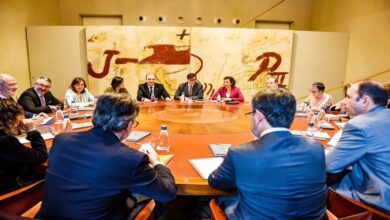
As El Pais notes, last week Catalonia’s Socialists and the Esquerra Republicana party broke the deadlock in budget negotiations for the autonomous region. Both sides made concessions: the government withdrew the budget bill from parliament, while the Republicans softened their stance on the issue of transferring control over IRPF. Nevertheless, Esquerra Republicana remains committed to its goal of expanding Catalonia’s tax powers. The party expects that María Jesús Montero’s departure from the finance minister post, following the Andalusian elections, will open new opportunities for dialogue on this issue.
The impact of elections and party positions
The Catalan authorities and the Comuns party do not believe that the upcoming elections in Andalusia will significantly affect the course of the budget negotiations. In their view, the discussion should remain focused on issues strictly within the competence of the regional government, without reference to future changes in self-government status. This approach allows them to concentrate on specific financial and administrative tasks without getting involved in broader political disputes.
The parties agreed on a deadline of July 31 to reach a budget agreement. Until then, they plan to continue consultations to find a compromise on key points. It is important to note that these talks are being held amid high political tension, where any concession can draw criticism both within the parties and among voters.
Catalan budget and tax powers
The issue of granting Catalonia the right to independently collect IRPF remains one of the most contentious topics in the negotiations. For the region, this is not only a matter of financial benefit but also a symbolic step toward greater autonomy. According to El Pais, Esquerra Republicana continues to insist on expanding tax powers, despite temporarily easing demands to advance budget talks.
At the same time, the Catalan government thanks its allies for not linking the current negotiations to broader questions about the future of self-governance. This pragmatic approach makes it possible to focus on solving specific issues without being distracted by ideological differences. Analysis by russpain.com indicates that such a tactic could increase the chances of reaching a compromise amid political uncertainty.
Context and consequences
The situation surrounding Catalonia’s budget is unfolding against a backdrop of recent changes in Spain’s political landscape. Elections in Andalucía, which were rescheduled for a new date, have already influenced the makeup of the government and the allocation of key positions. As shown by past experience, such shifts often prompt a review of agreements between the central government and the regions. For example, the recent decision by the authorities in Andalucía to change the election date sparked widespread public reaction and discussions about possible implications for other autonomous communities. More details can be found in the article about the reasons behind the date change for elections in Andalucía на russpain.com.
In recent years, the issues of tax revenue redistribution and expanding regional powers have repeatedly sparked heated debates in Spain. Catalonia has traditionally advocated for greater financial autonomy, regularly leading to complicated negotiations with the central government. Similar situations arose in 2023 and 2024, when budget discussions were accompanied by demands for the transfer of additional powers. Each time, compromises were reached with difficulty, and the consequences of these agreements were felt not only in Catalonia but also in other regions of the country.