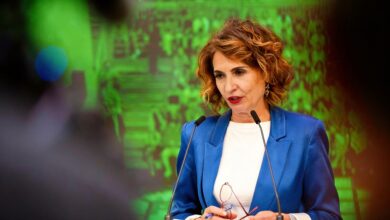
The consequences of failed reforms in Spain’s healthcare system are becoming increasingly apparent. Mónica García’s attempts to change the rules in breast cancer screening and nursing home management have not only ended in failure but also sparked widespread public outcry. Doctors who recently rallied in her support are now planning strikes, and the judiciary is being forced to intervene in disputes arising from her decisions.
Two major issues are now in the spotlight: the ineffectiveness of new approaches to cancer prevention and the inability to improve elderly care facilities. In Andalusia, attempts to implement new screening methods led to the prosecutor’s office closing politically motivated complaints, finding no grounds for criminal charges. This dealt a blow to the minister’s reputation, as she had promised revolutionary change but now faces bureaucratic deadlock and distrust within the professional community.
Internal conflict
The situation is further complicated by internal conflicts within the ministry itself. Mónica García, previously known as a defender of medical workers’ rights, is now accused of trying to impose tougher working conditions on doctors. Her former colleagues in the profession are openly opposing the new initiatives, calling them a setback for the entire healthcare system. Doctors accuse the minister of demagoguery and double standards, while unions are preparing large-scale protests that could paralyze hospital operations across the country.
The strategy of dividing the medical community into ‘insiders’ and ‘outsiders’ has caused particular discontent, only deepening the tension. Attempts to please everyone at once backfired, leaving no side satisfied. As a result, instead of the promised strengthening of the system, there is a further weakening and growing distrust of the leadership.
Failure in nursing homes
The situation in Madrid’s nursing homes has proved equally acute. More than two hundred court and prosecutor’s cases have ended in favor of the regional authorities, confirming that the measures taken in the capital did not differ from practices in other autonomous communities. Nevertheless, public opinion remains highly charged: relatives of the elderly are demanding explanations, while the opposition uses the situation to increase pressure on the ministry.
Instead of the expected improvements, the reform led to chaos and new accusations of incompetence. Attempts to shift responsibility onto regional authorities failed, while scandals surrounding the conditions in care facilities for the elderly only intensified criticism of Mónica García. As a result, trust in the ministry was undermined, and the issue of eldercare has once again become the focus of heated political debate.
Reaction from society and politicians
Public discontent quickly escalated into a political crisis. Nationalist parties, previously cautious about the ministry’s initiatives, are now openly expressing distrust toward Mónica García. She is seen as someone unable to cope with the challenges facing the healthcare system. Tensions within the government are rising, and the opposition is seizing every opportunity to criticize the cabinet’s entire social policy.
Doctors, unions, and patients are demanding transparency and real change, not just lofty promises. Ahead lie new strikes, legal battles, and possibly reshuffles in the ministry’s leadership. Spanish healthcare now faces a major test, and the way this crisis is resolved will determine the system’s future.
Mónica García is a Spanish politician and anesthesiologist who became Minister of Health after actively participating in medical protests. Her career began with advocating for healthcare workers’ rights, but as minister she faced strong criticism for unsuccessful reforms and her inability to establish dialogue with the professional community. Despite ambitious promises, her initiatives in screening and elderly care sparked a wave of discontent and legal challenges, casting doubt on the effectiveness of her leadership.