Madrid’s gastronomy is much more than a simple complement to its historic streets and vibrant nightlife. It’s a universe of its own, where every dish blends centuries-old traditions, the finest local ingredients, and that unmistakable capital flair known as “castizo.” If you’re tired of tourist clichés and want to truly experience what gives Madrid’s culinary scene its soul, get ready to dive into a world of iconic dishes, from monumental classics to nearly forgotten gems.
The royalty of Madrid’s table
The undisputed monarch of Madrid’s cuisine is cocido madrileño. It’s more than just a soup—it’s a ritual. This hearty, rich stew made with chickpeas, vegetables, and several kinds of meat is slow-cooked for hours. Its serving is a true spectacle in three acts, or “vuelcos.” First comes steaming broth with thin noodles. The second act brings tender chickpeas and vegetables. And finally, the show’s finale: a selection of meats—chorizo, morcilla, bacon, chicken, and even bone-in jamón. Originally made for chilly days, cocido has captured Madrileños’ hearts to the point that it’s enjoyed all year round.
Another city icon, far more democratic, is the calamari sandwich (bocadillo de calamares). The genius of this dish lies in its simplicity: crispy, battered rings of calamari inside a fresh baguette. Sometimes mayonnaise or aioli is added, but the classic version is served without sauces. The epicenter of this gastronomic tradition is Plaza Mayor and its surrounding streets. Eating one of these sandwiches, standing at the bar or leaning against a lamppost, washing it down with an icy beer—it’s almost a rite of passage for anyone who finds themselves in Madrid.
Culinary Extreme
Among the most authentic dishes, callos a la madrileña stands apart. This is a stew made from beef tripe, sometimes with snout and trotters added, slow-cooked in a thick, spicy sauce with paprika, chorizo, and blood sausage. It’s a dish with a powerful character, born in the city’s poor neighborhoods, but today you’ll even find it on fine dining menus. The hallmark of real callos is its silky texture and a perfectly balanced sauce with a subtle hint of heat.
But if callos is a challenge, gallinejas are a true test of culinary bravery. This dish consists of deep-fried intestines and other offal from milk-fed lamb. For the uninitiated, it might seem shocking, but for many in Madrid, it’s a real delicacy. Served piping hot in paper cones, crispy on the outside and tender inside, gallinejas are a living legacy of old fairground Madrid—a tradition still found in specialized taverns.
Unconventional Delicacies
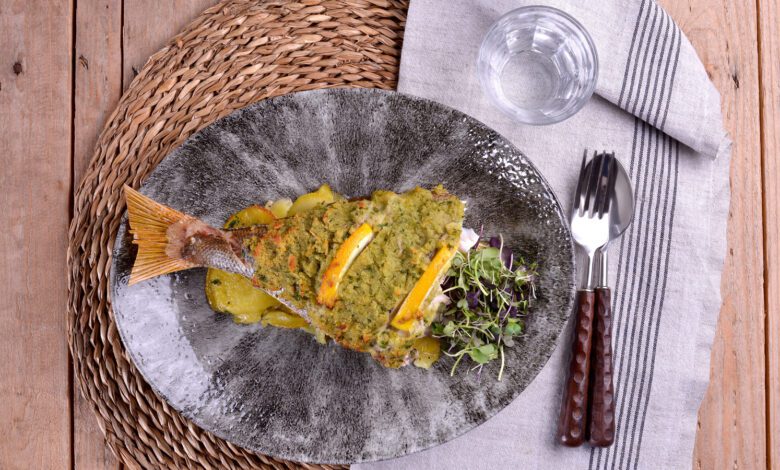
You might wonder how a city far from the sea became home to an iconic fish dish. Yet besugo a la madrileña (Madrid-style sea bream) proves it’s possible. Once a must-have for Christmas dinner, this dish features fresh sea bream oven-baked with potatoes, onions, garlic and breadcrumbs. The fish turns out incredibly juicy, while the potatoes soak up all the flavors, becoming a delicacy in their own right.
Of course, Madrid’s cuisine goes far beyond this list. In any bar you’ll find crispy grilled pig’s ear (oreja a la plancha) with garlic and parsley, snails in spicy sauce (caracoles a la madrileña), or the famed Campo Real olives. In winter, garlic soup (sopa de ajo) offers comfort, while in season, the tender asparagus from Aranjuez is a must-try. Each dish is a small piece of a grand culinary mosaic—one that takes time and an open mind to fully appreciate.
For that matter, Madrid’s gastronomic identity has evolved over centuries, shaped by influences from all over Spain. As the capital, the city absorbed the culinary traditions of Andalucía, Galicia, Castilla, and the Basque Country, adapting them and creating something entirely new. This is what makes Madrid’s cuisine so diverse: you’ll discover hearty mountain stews alongside hints of seafood delicacies. Central markets like Mercado de San Miguel have become more than just shopping spots—they are true temples of food, where history meets modernity.