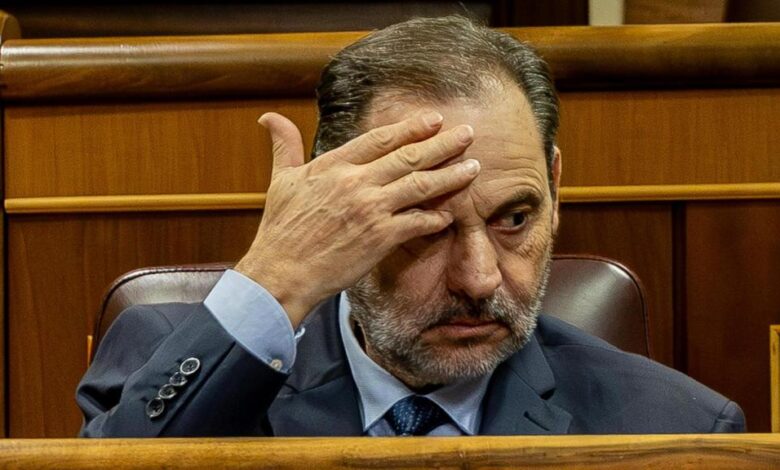
Spain continues to debate the sudden resignation of José Luis Ábalos, who stepped down as a deputy in the midst of one of the most high-profile court cases in recent years. For many citizens, this move marked an unexpected turn in a case linked to the procurement of medical masks during the height of the pandemic. Questions about the transparency of public procurement and the accountability of high-ranking officials have once again come into focus.
Ábalos, who previously served as Minister of Transport, found himself at the center of an investigation into alleged irregularities in a multimillion-euro mask supply contract. His departure from parliament not only failed to halt the judicial proceedings, but also sparked a new wave of debate about how such cases affect public trust in government and political institutions.
Judicial outlook
Despite relinquishing his seat, Ábalos remains a defendant before the Supreme Court (Tribunal Supremo), where he will have to respond to charges of abuse of office. The hearing has already been scheduled, and now attention is focused on whether the Supreme Court will retain jurisdiction over the case. The prosecution is seeking a 24-year prison sentence for the former minister, while opposition representatives are demanding even harsher penalties.
At the same time, a separate part of the investigation, related to possible bribes in the allocation of government contracts, will be transferred to the National Court (Audiencia Nacional). This is because after Ábalos leaves parliament he loses his immunity, and the case falls under the jurisdiction of another court. The investigating judge who handled this episode is also required to pass the materials to colleagues.
Political consequences
The question of who will take the vacant seat in Congress remains open. According to the law, the next in the Socialist Party list for the Valencia district is Ana María Gónzalo Herdaro, the current mayor of Llaurí. However, she may refuse the mandate, and in that case the vacancy will go to the next candidate. This uncertainty adds tension to political circles and could influence the balance of power in parliament.
Public interest is growing in how Ábalos’s resignation will impact the investigation and the future of the political system. Many are asking whether this case will lead to stricter oversight of public procurement or simply become another episode in a series of corruption scandals. Heated debates continue on social media over how effective the current accountability mechanisms are for high-ranking officials.
Reaction and expectations
The scandal surrounding Ábalos has become a litmus test for transparency and accountability of power in Spain. While some see his departure as an attempt to avoid pressure and save face, others view it as an acknowledgment of the seriousness of the accusations. In any case, the trial promises to be one of the most talked-about events of the year, and its outcome could impact the future course of anti-corruption policy in the country.
For now, public attention is focused on the upcoming Supreme Court hearing and how the investigation will change after part of the case is transferred to the National Court. Questions remain as to who will be held responsible for the controversial purchases and what the consequences will be for the political elite.